


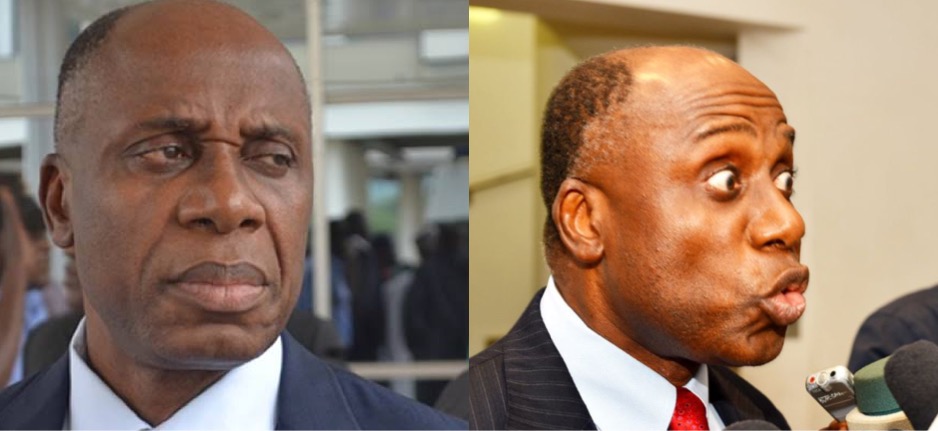
Former Minister of Transportation Rotimi Amaechi has voiced deep frustration over the apparent complacency of Nigerians in the face of escalating economic hardship. Speaking during a recent television interview, he lamented the public’s silence amidst soaring costs and the struggle to afford basic necessities like fuel.
Amaechi, who also served as governor of Rivers State, expressed disbelief that even he now finds it difficult to purchase diesel. “I’m angry with the citizens. You see a group of people stealing your money, impoverishing you, and you can’t buy fuel or food,” he said. His call to action was clear: Nigerians should be protesting, not just against current policies, but against the political class itself. “They should say, ‘We won’t vote’,” he urged.
The former governor pointed to the severe hunger affecting many, questioning the legitimacy of political campaigns amid such economic challenges. “Look at what happened in Edo State. Should any politician be campaigning there?” he asked, emphasizing that citizens need to take a firmer stand against those in power. “The people should rise up. They should send a message by not participating in elections until their needs are prioritized.”
Amaechi noted with irony that the current government has inadvertently made Nigerians resilient, stating, “What this government has achieved is that it has made Nigerians strong in the sense that they now trek.” He added, “And you know walking helps the heart.”
While Amaechi’s frustrations are evident, he refrained from outlining a specific political agenda, stating, “I am not interested in politics. I will discuss politics at the right time.” He did, however, offer a stark critique of the political landscape in Rivers State, labeling it the “capital of betrayals.”
He referred to the fallout between current FCT Minister Nyesom Wike and his successor, Siminialayi Fubara, noting that their political alliance soured despite Wike initially installing Fubara in office. “All of them passed through me and can’t stand hunger,” Amaechi remarked, alluding to the disloyalty he has witnessed among the politicians he once mentored.
Amaechi’s commentary did not shy away from the ethical implications of political machinations. He distanced himself from the culture of thuggery in politics, stating, “You will not see me in any political meeting planning for thugs.” He emphasized a personal moral obligation, saying, “My Priest tells me that anyone who dies in the course of that money will be held accountable by God. I don’t want to miss heaven.”