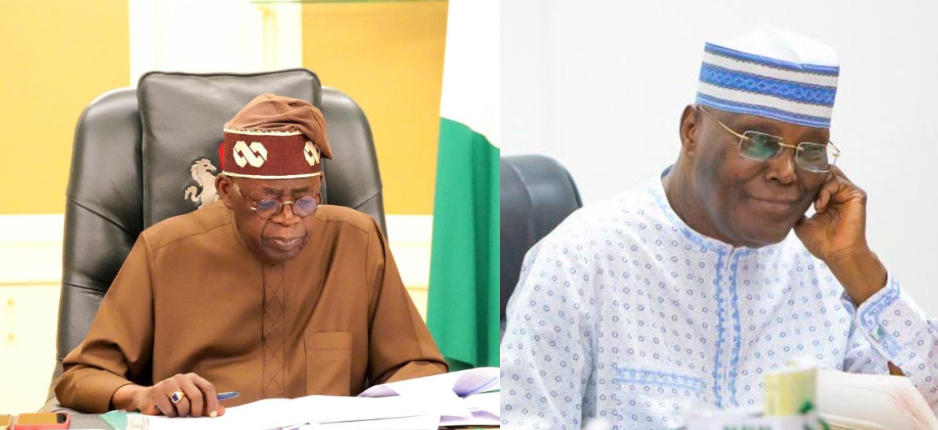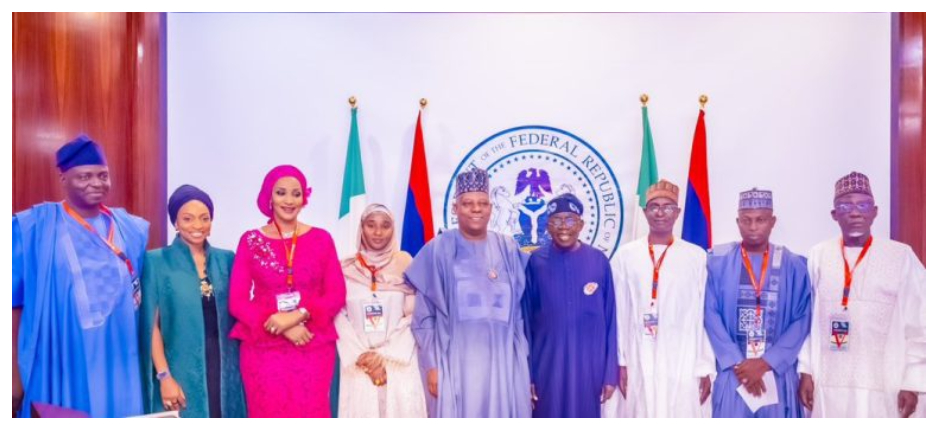



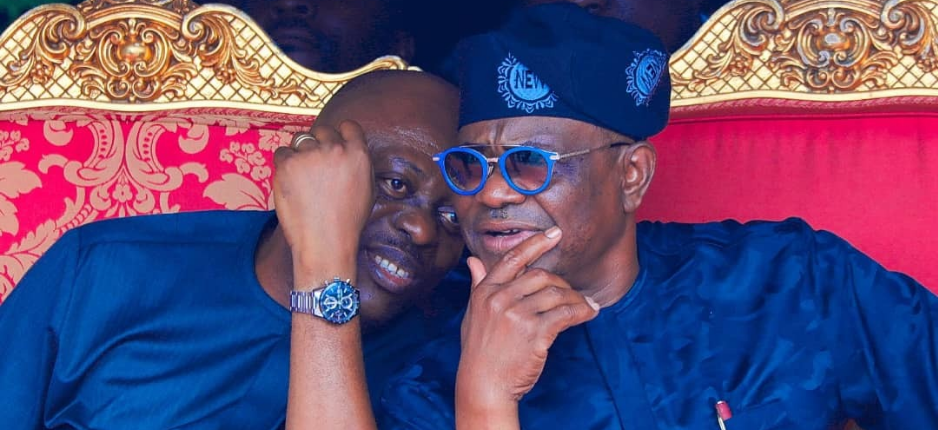
Last week peace accord brokered by President Bola Ahmed Tinubu between the Minister of the Federal Capital Territory, Nyesom Wike, and Rivers State Governor, Sir Siminalayi Fubara, has brought temporary calm to a state long teetering on the edge of political chaos.
Tinubu at the peace meeting he hosted inside the Presidential Villa in Abuja, asked Wike, Fubara and other prominent political stakeholders including the Speaker and members of the suspended State House of Assembly to bury their hatchet and work together for the overall interest of the state.
But beneath the surface of the smiles, handshakes and public statements lies a troubling question: At what cost has this “peace” been achieved, and who really benefits?
For several months, Rivers State has been caught in a dangerous political tug-of-war between two power blocs. On one side is Wike, representing the old guard, and emboldened by the influence and federal leverage; on the other hand, is Fubara who was struggling to assert the constitutional authority of his office before he fell under the presidential harmer.
The unnecessary political conflict saw a fractured House of Assembly, a paralyzed governance system, and a tensed state. In the midst of it all were Rivers people watching, suffering, and waiting.
Tinubu’s intervention, commendable on the surface, has resulted in what many now call a peace of convenience rather than one of justice or equity. While the deal promises reconciliation, restored offices, and cooperation, it also raises deep constitutional and moral concerns.
If a sitting governor is compelled either by federal pressure or political arm-twisting to relinquish key aspects of his executive authority to satisfy an overbearing and insatiable predecessor, then what precedent does this set for democracy?
Rivers State is not a bargaining chip in a political poker game. The people of the state did not vote merely for peace; they voted for leadership, accountability, and service delivery. True peace is not the absence of conflict but the presence of fairness, respect for institutions, and genuine political maturity. Anything less is appeasement masquerading as progress.
Moreover, the silence of critical institutions like the judiciary, civil society, the press and elder statesmen have been deafening. There must be a clear understanding that democracy thrives not on imposed truces but on the rule of law, transparent governance, and an unyielding respect for the mandate of the people.
Fubara has repeatedly expressed his commitment to peace and development. That commitment must not be mistaken for weakness. On the other hand, Minister Wike, for all his political weight, must realize that legacy is not built by controlling the reins from behind the curtain, but by allowing the future to unfold through those elected to lead it.
If truly the conditions set for the complete restoration of democratic institutions are anything to go by, then Fubara himself is in a mess. For accepting the conditions, he has thrown his supporters, especially those from his ijaw ethnic nationality under the bus. He has also mortgaged the future of his kinsmen in Opobo. Nobody would take them seriously to lead the state in many years to come.
Also, Rivers State would now return to the buccaneers who feel that the state wealth belongs to them and them alone. Fubara is also back to that position where his master will call him at any time to come, and he will. Just as he called him last weekend to come and attend his uncle's burial. The implication of all these is that governance will suffer and the people will be worse of it.
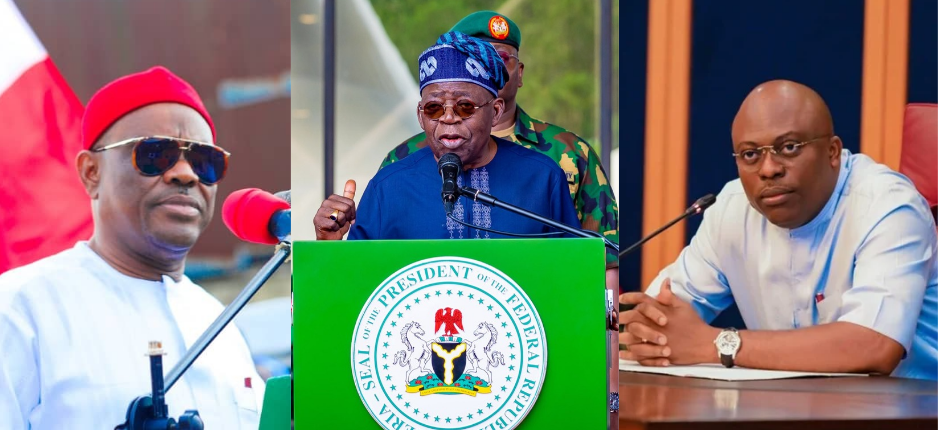
President Tinubu did not hide his bias in the entire so-called peace deal. Hosting a peace meeting with Wike attending in the company of his strong supporters and Fubara coming alone is not only biased but completely unthinkable. Also, for Tinubu to have presided over a meeting with such conditions as alleged paints a picture of an undemocratic leader. Someday, we hope that his home state of Lagos will not experience a similar or worst case.
By and large, what Rivers State needs is not a fragile, short-term calm stitched together by political deals. It needs strong institutions, a united leadership, and a citizenry empowered to hold their leaders accountable. Without these, any peace accord is nothing more than a ticking time bomb.
We call on all stakeholders, federal and state actors, traditional leaders, civil society, and the citizens themselves to rise above political expediency and demand a peace rooted in justice. The people of Rivers deserve more than a ceasefire. They deserve a future. Rivers State must not be the price paid for political egos. The state deserves more than a fragile truce.