


The International Monetary Fund (IMF) has praised the Central Bank of Nigeria for increasing interest rates, saying Nigeria’s currency, is now showing signs of stability.
The IMF stated this in its global financial stability report launched during a press briefing in Washington DC early Wednesday.
According to the IMF, the sign of stability shown by the Naira is due to recent interest rate hikes and the clearing of foreign exchange backlogs by the CBN.
“In Nigeria, rate hikes and the clearing of overdue domestic central bank foreign exchange obligations have helped the naira show more signs of stability,” the IMF stated in its report.
The multilateral’s position comes amid push backs from stakeholders on certain monetary policy decisions of the central bank.
The CBN, since Olayemi Cardoso took over as its governor, has raised the interest rate multiple times to curb a raging inflation in the country.
In the latest hike on September 24, the apex bank’s monetary policy committee (MPC) increased the interest rate by 50 basis points to 27.25 percent.
The rate increase was immediately criticized by the Manufacturers Association of Nigeria (MAN) and the Lagos Chamber of Commerce and Industry (LCCI).
While the MAN said the policy would negatively impact the manufacturing sector, the LCCI argued that the expansion and sustainability of businesses would be hampered.
Tobias Adrian, the IMF’s financial counsellor and director of monetary and capital markets, while speaking at the conference, acknowledged the efforts of the CBN in controlling inflation and stabilizing the foreign exchange market.
“The central bank has been transitioning to an inflation-targeting regime and has liberalised the exchange rate, which we welcome,” he stated.
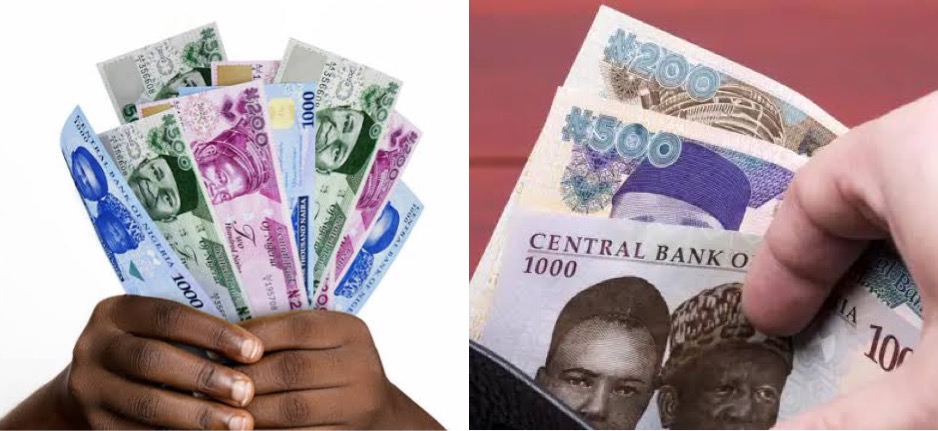
However, the IMF noted that the currency has shown signs of improvement in recent months, fluctuating between N1,700 and N1,600 per dollar in the parallel market and stabilizing between N1,500 and N1,600 in official trading windows.