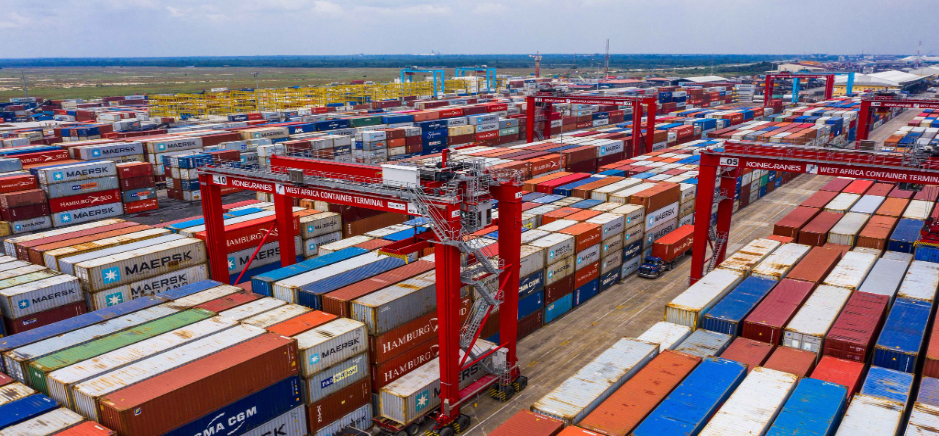


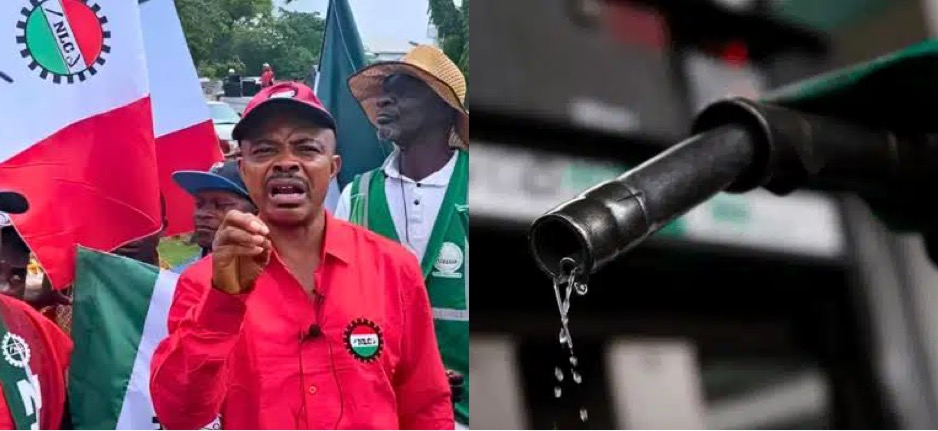
The Nigeria Labour Congress (NLC) has strongly criticized the latest surge in petrol prices, describing the move as a display of insensitivity toward the struggles of ordinary Nigerians. This follows an increase in petrol costs by the Dangote Petroleum Refinery and other depot owners, which has resulted in pump prices soaring to between ₦1,050 and ₦1,150 per litre.
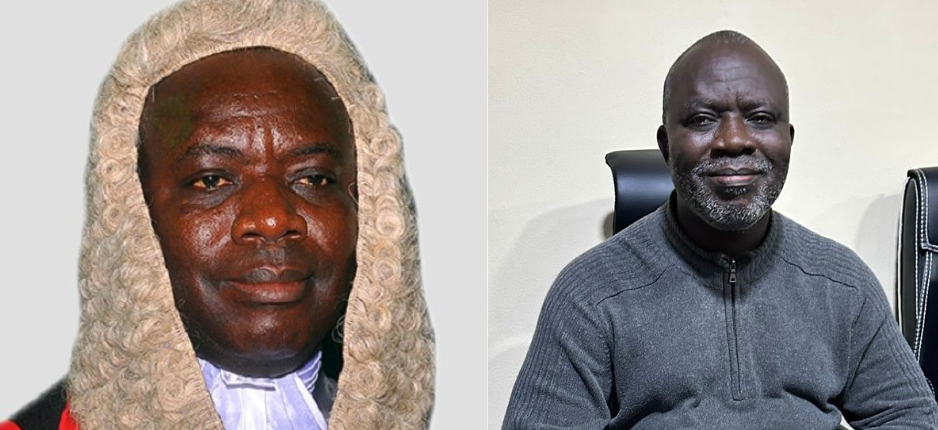
Responding to the situation, Theophilus Ndubuaku, Deputy President of NLC Political Commission, told The Punch that in more organized societies, representatives of workers, private sector stakeholders, and students would have been consulted before such a decision was made. He emphasized that inclusive governance requires collective decision-making, not unilateral actions. He also lamented the increasing trend of labeling dissenting voices as part of the “Obidient Movement” to undermine legitimate concerns.
“This price hike goes beyond just increasing the cost of food and transport, It exacerbates inflation and further devalues the naira. What we are witnessing is what I call Tinubunomics; an untested approach.”
“Around the world, subsidies exist for various products. Even the goods we import from China are subsidized. But here, they’ve removed fuel subsidies and failed to provide alternatives like the promised compressed natural gas (CNG) buses. How long should it take to implement such a plan?”, Ndubuaku complained.
Ndubuaku criticized the government’s lack of public involvement in the proposed CNG conversion initiative.
“If you claim to support inclusive governance, it shouldn’t just be about your decisions. Yet, when people voice concerns, attack dogs are unleashed, and they’re labeled as opposing the government.”
He urged President Bola Tinubu to emulate former leaders like Olusegun Obasanjo, who, during his tenure, regularly held roundtable discussions with key stakeholders on issues affecting worker’s welfare. According to Ndubuaku, Obasanjo convened these meetings monthly at the Presidential Villa to ensure transparency and carry the people along.
“We’re not against making changes or reforms,” Ndubuaku stated. “But you must engage the public. Let Nigerians understand why these changes are necessary so they can prepare. Constantly changing petrol prices without explanation only creates frustration. This government is failing to involve the masses in its decisions and has effectively sidelined the NLC from meaningful participation.”
Ndubuaku reiterated the importance of dialogue with various stakeholders, including representatives of workers and the private sector. “Nigeria is not anyone’s personal property. If you want to implement policies that affect the masses, you must engage their representatives. There are structured groups and leaders across different sectors you can consult.”
The NLC’s remarks underscore growing frustration among Nigerians, who are bearing the brunt of rising living costs in an economy already grappling with inflation and currency depreciation.