


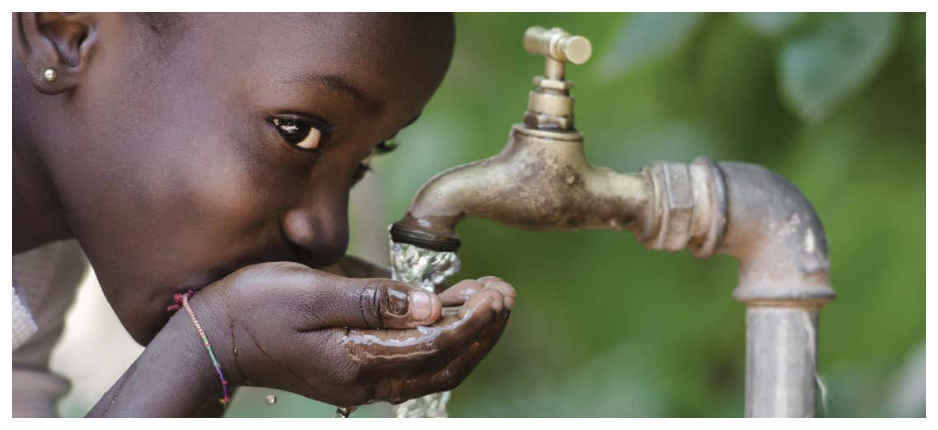
Study: 73% of Abia Residents Drink Faeces-Contaminated Water
…Stresses the importance of hand washing
Published
Wednesday, October 16, 2024 at 02:49 PM
Written by Omotola Adeleke
Edited By: Chinedu Eze
The journey to greatness is one step at a time and you should be part of it.
Join the NDconnect community channels on WhatsApp and Telegram to get News updates and add to the voices shaping the future : ❤️
WhatsApp Channel: https://whatsapp.com/channel/0029VajWDeK29754T7BzHU2H
WhatsApp Community: https://chat.whatsapp.com/Dlm6LmlgmzaKCMUYP4BPwC
Telegram t.me/NDConnectNewsAlert

11 months ago
Apprehend Kidnappers of Justice Umukoro
see more
11 months ago
Rivers: Peace at What Price?
11 months ago
2027: Can the Coalition Work?
1 year ago
Tinubu, Democracy Day, and June 12
1 year ago
Diri at 66: Daring The Terrain in Bayelsa
1 year ago
PDP's Rescue Mission
1 year ago
Reoccurring Nightmare of Police Brutality
1 year ago
Adieu Pa Clark (May 25, 1927 to February 17, 2025)
1 year ago
All Eyes on Pope Leo XIV
see more


Recommended Stories

1 year ago
Ajaero: Ensure Democratic Order and Sanity - Obi Tells NPF
see more

1 year ago
Bayelsa Governor Debunks Relationship Rumors With Ex-BBNaija Star
... Calls It Political Distraction
see more

1 year ago
Bayelsa United Chairman Seeks collaboration With SWAN
see more

1 year ago
Kano Gov Closes MDAs' Accounts Over Alleged Corruption
see more

1 year ago
I lost 2023 Election to INEC -APGA Chieftain
see more

1 year ago
Bayelsa Prosperity Walk, A Fitness Mandate for Appointees - Diri
...Congratulates Bayelsa’s Contigents To National Youth Games
see more

Niger Delta Connect is an award winning indigenous and community based news platform that delivers high quality and original stories that shine light on emerging developments, connect & unravel underreported realities in the Niger Delta.
Your News
Quick Links
Categories
© Solalina Media.