


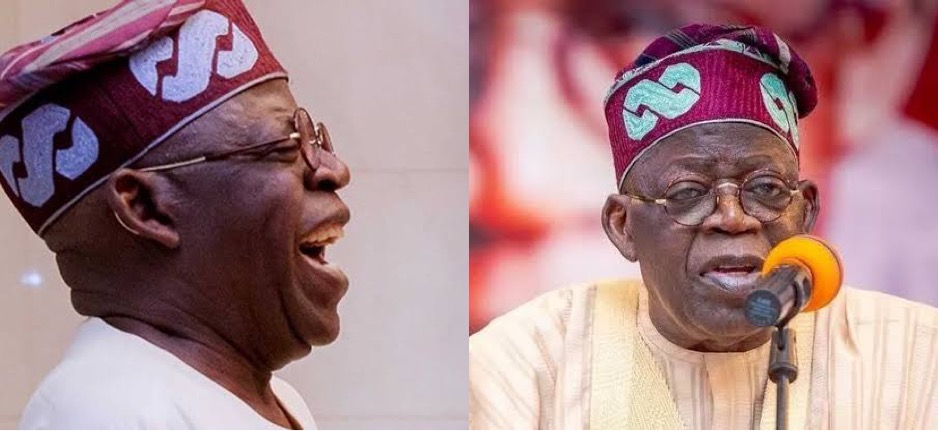
President Bola Ahmed Tinubu has staunchly rejected the National Economic Council’s (NEC) recommendation to withdraw controversial tax reform bills currently before the National Assembly. This bold stance was conveyed by Bayo Onanuga, the Special Adviser to the President on Information and Strategy, who affirmed that the bills will continue through the legislative process despite ongoing concerns.
In a statement released to the public, President Tinubu acknowledged the NEC’s reservations but emphasized the importance of allowing the legislative process to unfold. He expressed appreciation for the input from NEC members, including Vice President Kashim Shettima and the 36 State Governors, highlighting their role in shaping national policy. However, the President firmly believes that these bills should not be sidelined.
“The legislative process, which has already begun, provides a crucial platform for dialogue and modifications without necessitating the withdrawal of the bills,” the statement read. Tinubu reiterated his commitment to further consultations with stakeholders to address any lingering concerns as the National Assembly considers the proposed reforms.
These tax reform bills, transmitted to the National Assembly on September 3, were crafted under the auspices of the Presidential Committee on Tax and Fiscal Policy Reform, established in August 2023. The committee was tasked with the critical mission of enhancing Nigeria's economic landscape, fostering better productivity, and creating an investment-friendly environment. The urgency of this mission has only intensified in light of the nation’s economic challenges.
Notably, the proposed legislation includes the Nigeria Tax Bill 2024, which aims to establish a comprehensive fiscal framework for taxation, and the Tax Administration Bill, designed to streamline tax processes and minimize disputes. These reforms are touted as essential to bolstering the country’s revenue generation capabilities and fortifying fiscal institutions.
The NEC's unanimous call for the withdrawal of the bills underscores the contentious atmosphere surrounding this issue. As the government moves forward, it faces mounting pressure from various sectors wary of the potential implications of these reforms. The ongoing dialogue will be pivotal in determining the future of Nigeria's tax policy and its broader economic trajectory.