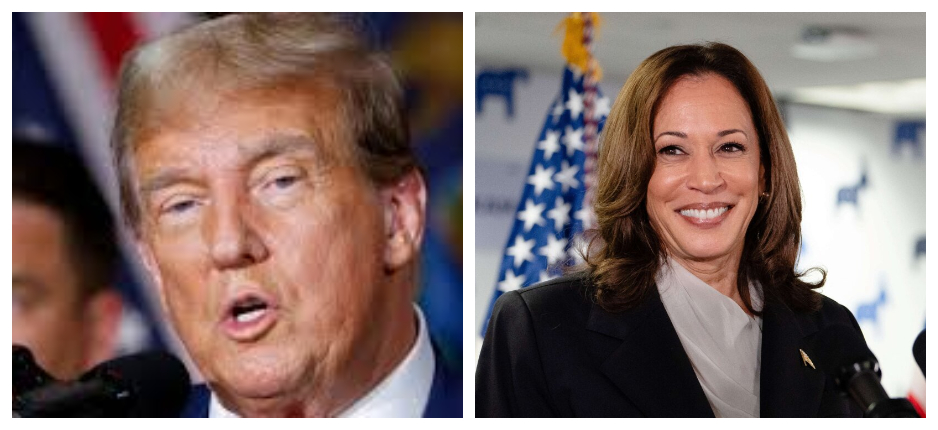



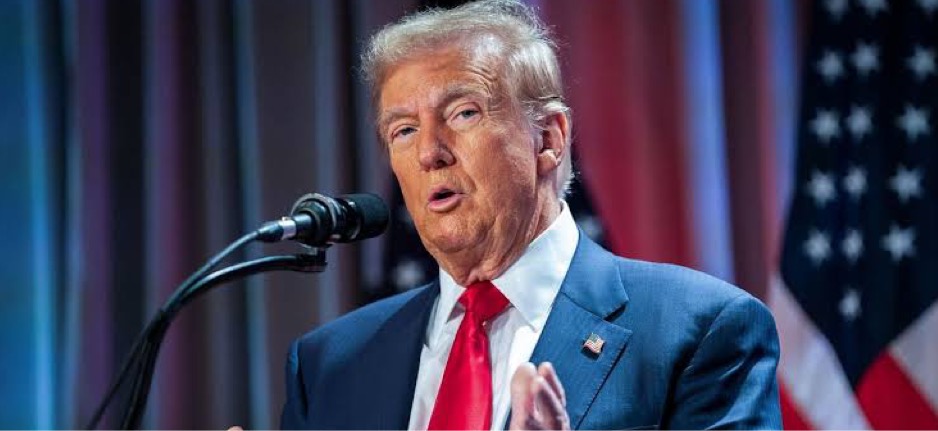
Donald Trump’s immigration policies have long been a source of controversy, and his latest proposals suggest a dramatic shift in the nation’s approach to undocumented immigration.
As President-elect, Trump is doubling down on his plan to remove millions of unauthorized immigrants from the United States, framing it as a necessary step to restore order and uphold the rule of law.
In an interview late yesterday, he outlined a vision that includes sweeping deportations and a direct challenge to the country’s birthright citizenship policy.
Trump’s proposal is built around the idea that illegal immigration poses a serious national emergency. With an estimated 11 million undocumented people currently in the U.S, his administration intends to pursue large-scale deportations over the course of his first term.
Although he has acknowledged the difficulty of such a task, he remains steadfast in his belief that strict enforcement is essential to maintaining the nation’s laws. His plan is expected to cost taxpayers billions, with estimates putting the annual price tag for deportations at $88 billion.
In addition to his deportation agenda, Trump aims to end birthright citizenship, a policy enshrined in the 14th Amendment. This policy grants citizenship to any child born on U.S. soil, regardless of their parent’s immigration status.
Trump's proposal to revoke this right through executive action on his first day in office faces significant legal hurdles, with many arguing that it would require a constitutional amendment. Trump, however, remains undeterred, suggesting that the American public may ultimately need to weigh in on the issue.
While Trump’s approach is undoubtedly harsh, he has expressed some willingness to negotiate on behalf of specific immigrant groups, particularly “Dreamers”, individuals brought to the U.S. as children. Although he sought to dismantle the Deferred Action for Childhood Arrivals (DACA) program during his first term, Trump has hinted that he might reconsider protections for Dreamers, provided they are part of a broader deal on immigration reform.
Trump’s plans signal a commitment to a tougher stance on immigration, and while the logistics and costs remain unclear, his proposals are sure to provoke heated debates over the future of the U.S. immigration system.