


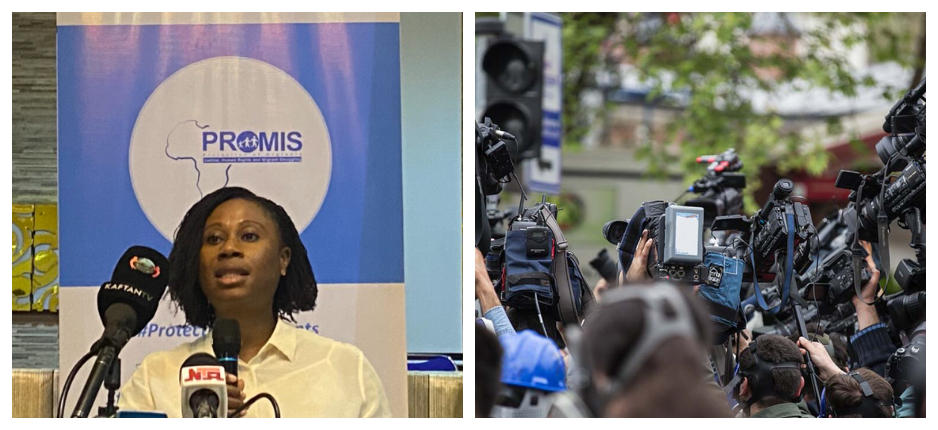
A senior official from the United Nations High Commissioner for Human Rights (OHCHR) has spotlighted significant gaps in the Nigerian media’s coverage of migration issues, including the fight against human trafficking and migrant smuggling. Adwoa Kufuor-Owusu, the Senior Human Rights Adviser, made this observation on Wednesday, September 25, 2024, during a two-day journalism training in Keffi, Nasarawa State.
Kufuor-Owusu emphasized that Nigerian media often provides limited and incomplete narratives about migrants, frequently relying on government sources without interviewing the migrants themselves. “Journalists often fail to provide insight into why migrants are leaving in the first place,” she stated, noting that coverage typically labels migrants as “returnees” or “illegal migrants,” missing the critical context of their stories.
The training, organized by the National Human Rights Commission (NHRC) in collaboration with the OHCHR and the United Nations Office on Drugs and Crime (UNODC), is part of the Protection of Migrants (PROMIS) Project. Funded by the Kingdom of the Netherlands, the initiative aims to bolster West African nations’ capacities to address human rights violations associated with irregular migration.
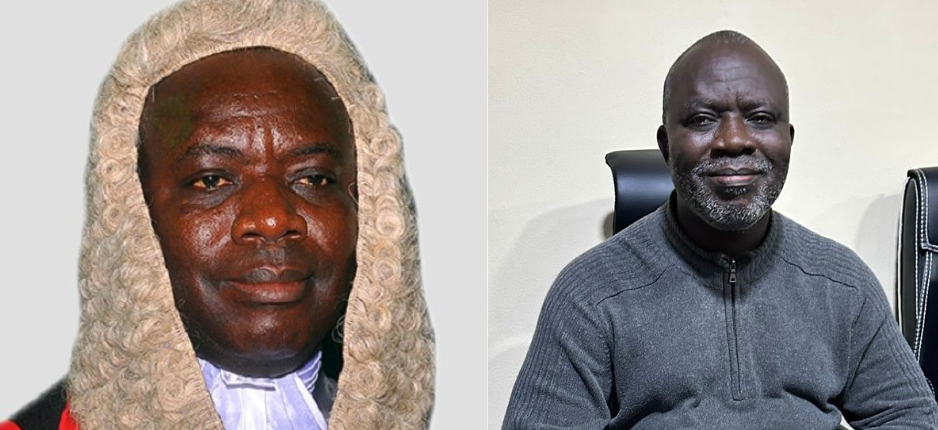
NHRC Executive Secretary Tony Ojukwu echoed Kufuor-Owusu's concerns, urging journalists to use this platform to enhance their skills and knowledge. “Through our collaborative efforts, we can create an environment that promotes respect and protection of human rights for all,” he said.
The workshop covered legal frameworks surrounding migration and human trafficking, addressing issues like forced labor, sexual exploitation, and the denial of healthcare and education for migrants. As human trafficking remains a grave issue in Nigeria, particularly affecting vulnerable women and children, the hope is that better-informed journalists will illuminate the complexities of migration and amplify the voices of those often overlooked—the migrants themselves.
Read More