



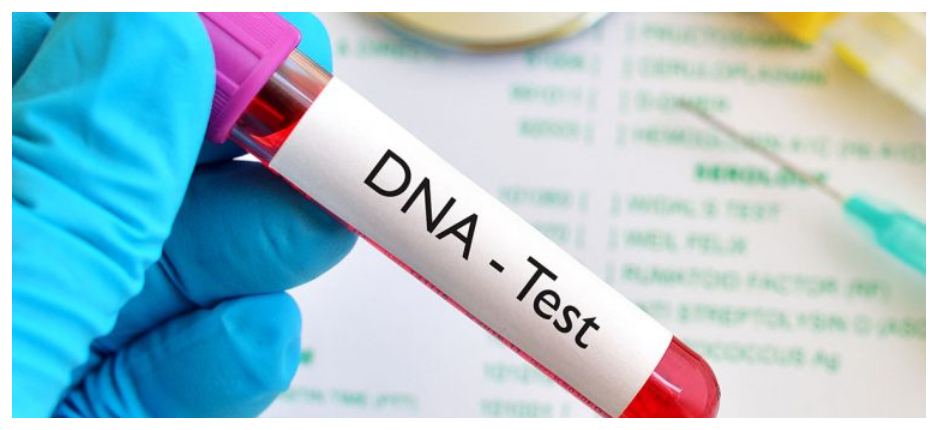
Recently, DNA saga has been one of the leading causes of broken marriages in Nigeria. For families seeking to leave the country in search of a better life overseas and others who have doubts about the paternity of their children.
Some of the victims of this ‘paternity fraud’ often come on social media to vent while others grieve in private.
Just recently, a leading DNA testing center in Lagos, Smart DNA, released a comprehensive report on DNA testing trends in Nigeria, covering July 2023 to June 2024, revealing several astonishing findings that shed light on societal dynamics, economic factors, and the changing family structures in Nigeria.
According to the report made available Sunday showed that paternity uncertainty remained high.
27 per cent of paternity tests conducted came back negative, indicating that more than one in four men tested are not the biological fathers of the children in question.
It also showed Immigration Tests surge, with a growing number of parents with dual citizenship processing paperwork for their children’s emigration.
On regional dominance, the report showed that Lagos dominated, a reflection of economic disparity.
An overwhelming 73.1 per cent of all DNA tests were conducted in Lagos, with a stark divide between Mainland (67.5 per cent) and Island (32.5 per cent).
This concentration highlighted the economic divide within Lagos and across Nigeria.
It also showed that the Yoruba’s accounted for 53 per cent of tests, followed by the Igbo’s with 31.3 per cent, while the Hausa’s were 1.20 per cent.
Commenting on the report, Elizabeth Digia, Operations Manager at Smart DNA, said: “These findings offer a unique window into the changing dynamics of Nigerian families and society.
“The high rate of negative paternity tests and the surge in immigration-related testing are particularly noteworthy. “They reflect broader societal trends that merit further discussion and research. “The concentration of testing in Lagos also raises important questions about accessibility and awareness of DNA testing services across Nigeria.
“As a company, we’re committed to expanding access to our services nationwide while maintaining the highest standards of accuracy and confidentiality,’’ she said.
Statistics indicates that most children tested were aged 0-five (54.0 per cent), suggesting a preference for early paternity confirmation.
Men aged 41+ (45.6 per cent) and 31-40 (37.0 per cent) were most likely to request tests, potentially reflective of economic capabilities or increased paternity concerns in older men.
It also showed a slight gender bias in Child Testing as more tests were conducted on male children (52.8 per cent) than female children (47.2 per cent), insinuating a possible cultural preference for confirming paternity of male offspring.
According to the report, peace of mind dominates reasons for the DNA testing as the majority of tests (85.9 per cent) were conducted for ‘Peace of Mind’, rather than legal motivations.
Read also