


Abia communities in Ukwa West LGA, whose lands were acquired for the Abia State Industrial Innovation Park (AIIP), have called on the state government to ensure fair compensation, create employment opportunities, and implement environmental protection measures in their areas.
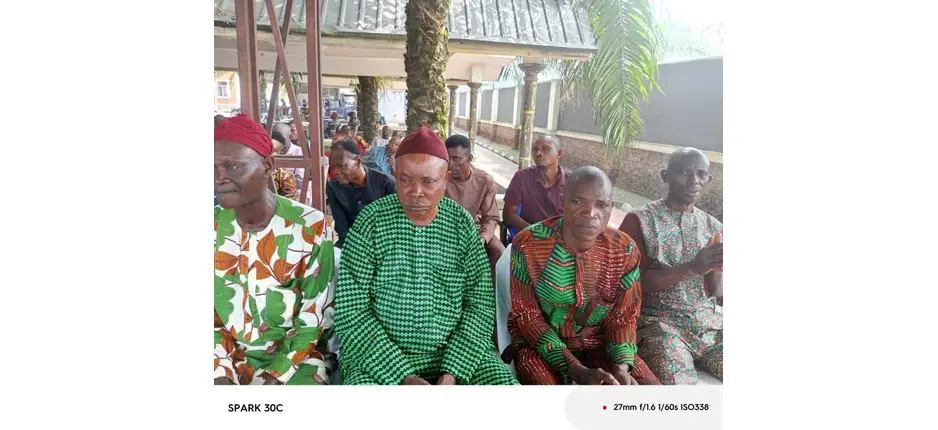
The demands were made during a meeting held on Friday between the traditional rulers and representatives of the affected communities, including Umuololo, Umuakata, Okohia, Uzaku, Umuorlu, and Obibor—and Abia State government officials.
The government delegation included Chaka Chukwumerije, the Commissioner for Lands and Housing; Philemon Ogbonna, the Commissioner for Environment; and Professor Joel Ogbonna Owaza, the Commissioner for Petroleum and Mineral Resources.
The landowners, led by prominent community leader Uche Nwaele, expressed their support for the AIIP project but emphasized the need for tangible benefits in return. They specifically requested that the government ensure local communities are involved in the execution of the project and that their lands are not only compensated fairly but also protected from environmental harm caused by the industrial development.
Additionally, they sought improved power supply to support both the industrial park and surrounding communities.
Addressing the gathering, Chaka Chukwumerije, the Commissioner for Lands and Housing, reassured the landowners that compensation payments for the acquired lands would begin on December 31, 2024.
He urged the communities to complete necessary documentation, including indemnity certificates, to facilitate a transparent and efficient compensation process. The commissioner emphasized that the land acquisition was not politically motivated but aimed at fostering the industrialization of Ukwa West and the entire state.
“We will ensure that compensation is paid for land acquired for public interest,” Chukwumerije stated, adding that the federal government is supporting the AIIP project. He also addressed environmental concerns, promising that the government would take steps to protect the communities from potential pollution resulting from the industrial activities.
The discussions highlighted the mutual understanding between the communities and the state government, with both sides committed to working together to make the AIIP project a success while ensuring that local residents benefit from it both economically and socially.
The state government’s commitment to addressing these concerns was seen as a positive step toward fostering trust and cooperation between the administration and the affected communities.