


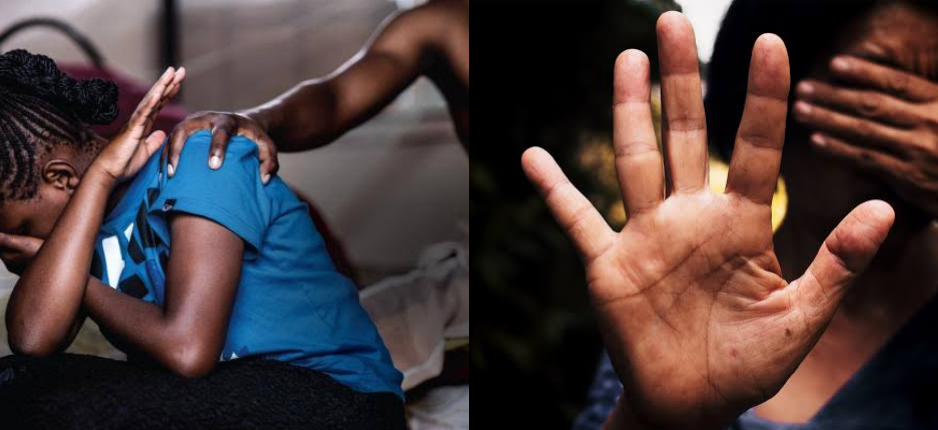
The specter of sexual violence in Bayelsa State,looms larger than ever, with a shocking rise in cases of rape and defilement reported this year.
Despite ongoing efforts by government bodies, NGOs, and activists, the battle against gender-based violence (GBV) in the state reveals an unsettling pattern of systemic challenges and persistent societal issues.
The alarming statistics are emphasised by recent accounts of three-year-old children being victims of sexual violence, illustrating the depth of the crisis.
This surge in cases comes amidst global observances such as the International Day for the Elimination of Violence Against Women, particularly the ongoing 16 Days of Activism Against Gender-Based Violence, which this year focuses on the theme, "United to End Violence Against Women and Girls."
Dr. Barr.Dise Ogbise Goddy Harry, Team Lead of DO Foundation and a former Chairperson of FIDA Bayelsa during a telephone interview recounts her lifelong exposure to gender violence. "Growing up, I saw men beating women and relegating them to the background.
When I became the PRO of FIDA, I witnessed countless cases of rape and defilement."
She stated that since 2017, her foundation has implemented strategies such as school and community sensitization, partnerships with the government, and prosecution of offenders.
Despite these efforts, challenges persist. Families of survivors often obstruct investigations, preferring to settle cases privately due to stigma or compensation from perpetrators. “Most survivors’ relatives do not want us to have access to the victims after reporting cases.
"They fear shame and stigmatization, which leads to silence,” Dr. Dise lamented.
Similarly, Dr. Ebimere Okpomu-Opaleye, Chief Medical Officer with the Bayelsa State Ministry of Health, highlighted the dire need for specialized medical care for survivors. "Many victims suffer lacerations or tears that require surgical intervention.
The cost of treatment often deters access to care, especially in remote areas where reaching facilities is nearly impossible."
The state’s collaboration with NGOs, security agencies, and medical practitioners has improved response times and support for survivors.
The establishment of gender desks in police stations and clinics dedicated to GBV cases is a step forward.
"The first 72 hours are critical in managing sexual assault cases. Thanks to capacity-building initiatives, responders now understand the importance of preserving evidence for justice," Dr. Ebimere explained.
However, there's a significant improvement as Bayelsa State has seen significant collaboration among NGOs, government bodies, and community leaders.
Organizations like FIDA, Goldcoast Developmental Foundation, DO Foundation, Gender Response Initiative Team, the National Association of Women Journalists (NAWOJ) and other international organisations work tirelessly to protect survivors and ensure perpetrators are held accountable.
However, funding remains a major obstacle. "Support has been largely self-funded, as those expected to help are often unwilling," Dr. Dise stated.
The lack of resources limits the scope of interventions, especially in rural areas where the need is most acute.
As Bayelsa State grapples with this crisis, more needs to be done.
Advocates and stakeholders have campaigned for Survivors to speak out without fear of stigma, while the government must prioritize funding for medical and legal support.
Policies that address GBV must be enacted and enforced, with an emphasis on community involvement and education, the advocates have emphasised.
The ongoing 16 Days of Activism which is commemorated every November 25 to December 10 is a reminder that violence against women and girls is not just a local issue but a global epidemic.
Dr. Ebimere noted, "Bayelsa State does not tolerate gender-based violence.
Our collective goal is a society where every child, woman, and man can live free from fear."
Bayelsa’s fight against GBV is far from over, but through sustained collaboration and unyielding resolve, the tide can be turned. For the survivors, justice is not just a necessity; it is a promise that must be fulfilled.
The Bayelsa State Police Command, through its Gender Desk Office, has emphasized its commitment to combating gender-based violence (GBV), including rape, within the state.
Officers at the desk have stressed the importance of timely reporting by victims and the community to facilitate proper investigations and ensure justice is served.
They acknowledged the challenges posed by cultural practices, such as the abandonment of cases due to societal pressure or informal settlements, which often undermine the fight against GBV.
Stakeholders, including advocacy groups and the Ministry of Women Affairs, have highlighted the need for collaboration between law enforcement and communities to break the culture of silence around these issues.
Campaigns encouraging victims to speak out and report cases have been central to these efforts, supported by training programmes for officers on gender sensitization and victim support.