

The International Centre for Investigative Reporting (ICIR), in a detailed publication in September 2023, said each Nigerian owes the sum of N396,376.19 in terms of debt per capita. The figure was an analysis of Nigeria’s public debt stock as released by the National Bureau of Statistics (NBS).
In arriving at what each Nigerian owes, the ICIR calculated the debt stock per capita by dividing the total public debts of the country by the country’s population which was estimated by the World Poverty Clock to be 220.4 million.
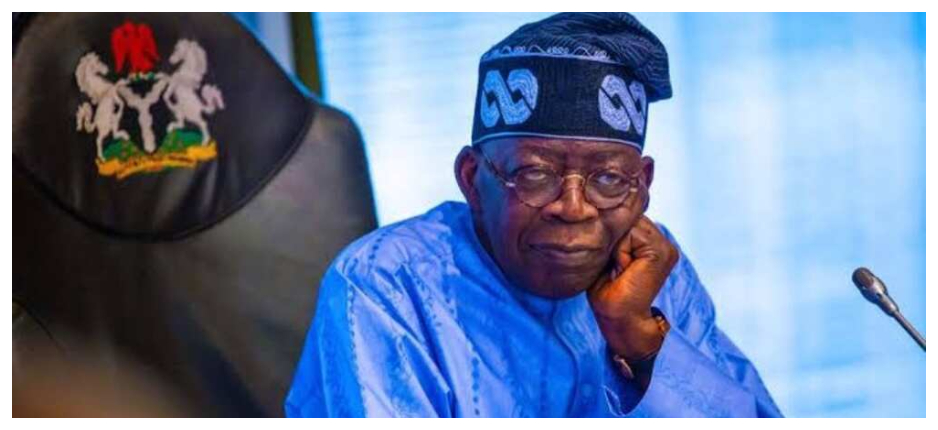
This shocking revelation was done four months after President Bola Tinubu’s administration came into office. So, it was expected that the government would get to work and do all that it could to reduce the debt profile of the country. But sadly, with the latest request and approval by the Senate to borrow $2.2 billion, equivalent to ₦1.77 trillion, the debt ratio per Nigerian will definitely increase.
Tinubu’s penchant for borrowing appears to be a deliberate attempt to outsmart his predecessor, Muhammadu Buhari, whose notoriety for borrowing was reprehensible. Buhari’s eight-year tenure saw the highest level of mismanagement of the nation’s economy. He left a huge debt profile of about N80 trillion as of May 29, 2023.
Under President Tinubu, the federal government has secured loans worth $6.45bn from the World Bank in just 16 months. Aside from this, the government has also borrowed N20.1 trillion from domestic investors within the first year of the current administration. This figure represents year-on-year (YoY), an increase of 117 percent from the previous year. In addition to loans from other sources.
The incessant borrowing by Tinubu calls for concern, particularly the impact on the economy. It is surprising that those who are in charge of the economy do not see the damage and potential strain on the economy. The more the loans, the more additional pressure on inflation. It will also increase debt service cost as well as higher borrowing costs from businesses.
Every patriotic Nigerian should be worried but not so for members of the National Assembly who have refused to stand up to their responsibility to hold the executive to account on the disturbing issue of the country’s escalating debt profile. One would expect that as those conferred with such powers, the lawmakers will ask very pertinent questions on the sustainability of these financial commitments vis-a-vis their likely long-term effects on the economy.
The lame excuses or arguments that the approvals are aimed at financing various development projects across the country are not what we are seeing on the ground. It is almost as if the loans are being used for personal aggrandizement at the expense of Nigeria, sinking deeper into debt.
Tinubu’s administration must come clean and apply the breaks. The reckless borrowing has to stop. If the government would be more accountable, transparent, and fair in its financial dealings, we do not need to be borrowing so much to fund our budget. The focus should be working to uplift the living standards of the people. It is no longer news that Nigerians are facing the worst times ever. Hunger has become a bonafide member of the average Nigerian home.
We also call on President Tinubu to follow the steps taken by former President Olusegun Obasanjo, who sought debt relief of over $20 billion from our then international creditors and got it. If Tinubu has goodwill, he can also do that. But while waiting for that, he must halt the borrowing spree before he plunges the entire country into an unprecedented debit burden. He should not replace his official title of Commander-in-Chief with Borrower-in-Chief.