


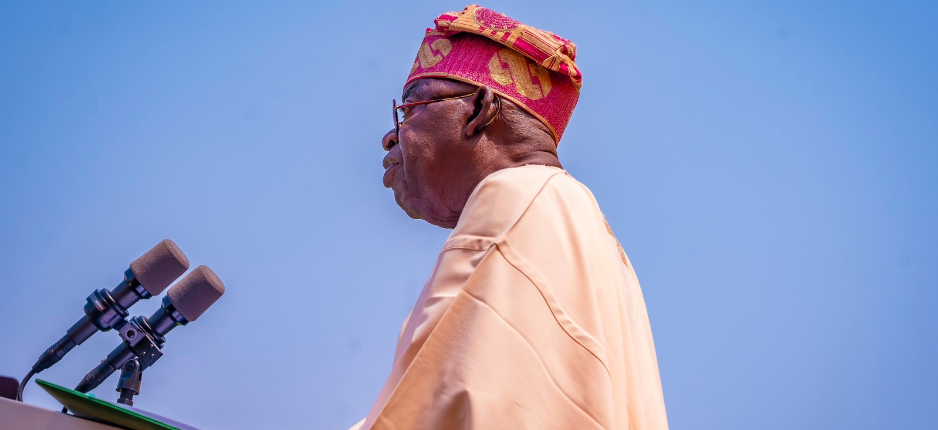
Following the recent signing into law of the South-South Development Commission (SSDC) Bill by President Bola Tinubu, all the six geo-political zones in the country now have dedicated development commissions to fast-track regional development, foster rapid socio-economic growth, and massive empowerment for the people.
Some weeks ago, we raised concerns over the delay in giving presidential assent to the landmark bill sponsored by the Senator representing Cross River South, Asuquo Ekpenyong. We highlighted that the delay was fuelling speculations that Tinubu was not going to give his assent because of the already existing Niger Delta Development Commission (NDDC).
We had emphasized that it was wrong to mistake the NDDC with the SSDC, as the former serves oil-producing communities beyond the South-South region. It was our firm position that denying the region that keeps the country afloat economically will lead to renewed hostilities because of the feeling of exclusion and dejection on the part of the people. Our submission was that what is good for the goose is also good for the gander.
It therefore brought a feeling of joy when the president heeded to the numerous interventions on the issue and signed the bill into law. He listened to the voice of sound reasoning. His action demonstrated his commitment to inclusive governance and his pledge to promote justice and equity at all times. It also reaffirmed his interest to give a sense of belonging to all the regions.
The signing of the SSDC bill has somehow doused tension in the region. It has also saved the President from some kind of damnation. Tinubu had been accused of being unfair to other regions, particularly the South-South. His penchant to retain key federal appointments in his South-West zone has received knocks. But thank God this time, he saved himself the public opprobrium.
The SSDC bill is a child of necessity. It will serve as a catalyst for industrial growth, job creation, and social advancement. It will complement the work of the NDDC. We will see more roads, schools, and health facilities across the region. There will be massive job opportunities for the people. Indeed, better days are ahead, and the expectations from the people are high.
However, these expectations may be dashed if the commission is politicized. Appointments must be based strictly on competence. Individuals with impeccable character should be appointed to lead the commission. That way, the region’s significant infrastructure deficits and longstanding environmental and socio-economic challenges will be addressed.
Unlike the NDDC that derives its resources from oil production, which has led to unequal development, with higher oil-producing states receiving a disproportionate share of resources, the SSDC should ensure equality in resource distribution among member states, since its funding will come from various streams, including federal allocations, international grants, and developmental partnerships.
There should be an initial ten-year road map for the transformation of the region. This would guide the operations of the commission and place it on a focused path. Those saddled with the responsibility of running the commission must stick to the road map. The people of the South-South should be evicted from poverty within this period and enjoy the natural wealth God has placed on their land.
Finally, the SSDC must avoid duplication of projects. They should also avoid ordinary projects that local government councils can easily undertake. We want to see big ticket projects. We also call for robust synergy between the commission, NDDC, and the governments of the six states that make up the region.
President Tinubu has substantially done his part, what is left is to appoint the right people, but everyone in the region must commit to its success.