
High Fuel Prices Persist Despite PH Refinery's Return to Operation

Published

Sunday, December 29, 2024 at 11:52 PM

Written by Omotola Adeleke
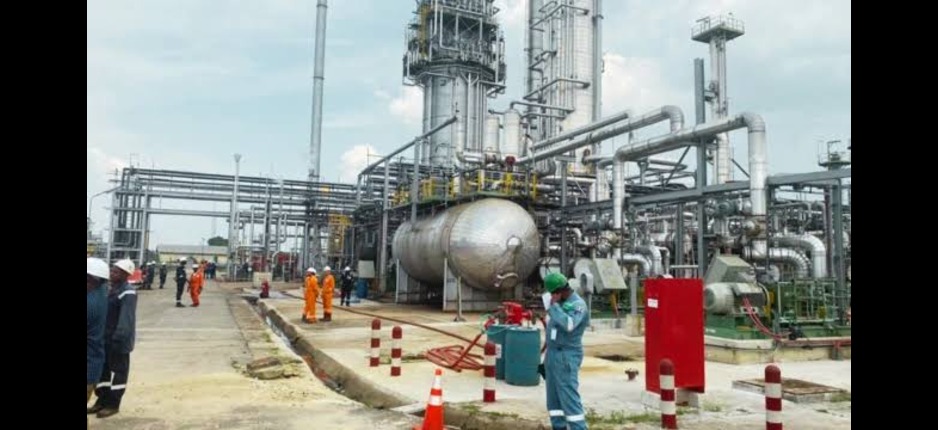
High Fuel Prices Persist Despite PH Refinery's Return to Operation

The recent start-up of the $1.5 billion rehabilitated Port Harcourt Refinery, one of Nigeria’s key domestic oil refineries, was hailed as a significant milestone in the nation’s quest for energy self-sufficiency.


Despite the Nigeria National Petroleum Company Limited (NNPCL) announcing the restoration of the Port Harcourt Refinery on November 26, 2024, the price of Premium Motor Spirit (PMS), or petrol, remains high.


With the refinery now operating at capacity, there was widespread optimism that the country would soon see a reduction in the cost of petrol, which has been a persistent burden on Nigerians for years. However, despite this development, petrol prices remain stubbornly high, and the question is: Why?


The Nigerian National Petroleum Company Limited (NNPCL) reduced the price of petrol to marketers. Dangote Refinery and MRS also announced a reduction from N1,020 to between N899 and N912 per litre. Despite the reduction, reports indicate that petrol prices remain high across various parts of the country.


In Abia, for instance, petrol is still being sold between N1,100 and N1,250 per litre.


At first glance, the launch of a major refinery like Port Harcourt should ideally lead to a drop in petrol prices. The refinery’s operation means that Nigeria can process more of its crude oil domestically, reducing the need for imports, which has historically been a major driver of fuel price increases.


The Nigeria Labour Congress (NLC), through its spokesperson Chris Onyeka, rejected any praise for the Federal Government and the Nigerian National Petroleum Company Limited (NNPCL) over the recent reduction in petrol pump prices.


Onyeka argued that the current pricing mechanism does not accurately reflect the true cost of the product.


“Should we applaud them? How can we accept a price of N935 per litre for PMS? This is not the right price. We should not base petrol prices on imported products when we have domestic refining capacity,” he stated.


The labour union further emphasized that they expect the price of petrol to fall below N300 per litre.


It should, in theory, ease the pressure on the country’s foreign exchange reserves and lower the cost of the fuel importation cycle, ultimately translating to a drop in pump prices.


However, this ideal scenario has yet to materialize. There are several factors that contribute to the current price stagnation.


First, the refinery, although operational, is still ramping up production and may not yet be running at full capacity. As such, it is not yet a substantial player in meeting the nation’s fuel demand.


The reliance on imported refined petroleum products remains high, meaning that the cost of importation continues to significantly impact fuel prices.


Second, the prevailing macroeconomic conditions in Nigeria, marked by inflation, exchange rate instability, and dwindling purchasing power have contributed to the higher cost of petroleum products. Even if domestic production increases, the high cost of importing the necessary raw materials and the depreciation of the naira are still major challenges.


The interconnectedness of global oil prices also means that fluctuations in international markets directly impact domestic prices, despite any local production gains.


Third, the Nigerian government’s removal of fuel subsidies continues to be a major factor. While the government maintains that subsidy payments have ceased, this withdrawal has resulted in higher pump prices.


The absence of a robust social support system to cushion the effects of this subsidy removal has only exacerbated the hardship for average Nigerians.


Another complicating factor is the oil industry’s structural inefficiencies and lack of investment. Despite promises of modernization and repairs, many of Nigeria’s refineries, including the Port Harcourt Refinery, have faced prolonged periods of underperformance due to mismanagement and underinvestment.


The current operating capacity of the refinery might not be enough to meet national demand in the short term, and until it achieves full functionality, Nigeria will remain dependent on imported fuel.


In conclusion, while the Port Harcourt Refinery’s start-up is an important step toward Nigeria’s refining ambitions, it is not a panacea for the nation’s high petrol costs.


Until structural reforms, better refinery management, and stabilization of macroeconomic conditions take place, Nigerians may have to endure the high prices at the pump for the foreseeable future.


The government must focus on a comprehensive approach to address the inefficiencies in the sector, invest in domestic refining capacity, and create a more stable economic environment to ease the burden on citizens.

Edited By: Chinedu Eze

The journey to greatness is one step at a time and you should be part of it.

Join the NDconnect community channels on WhatsApp and Telegram to get News updates and add to the voices shaping the future : ❤️

WhatsApp Channel: https://whatsapp.com/channel/0029VajWDeK29754T7BzHU2H

WhatsApp Community: https://chat.whatsapp.com/Dlm6LmlgmzaKCMUYP4BPwC

Telegram t.me/NDConnectNewsAlert