

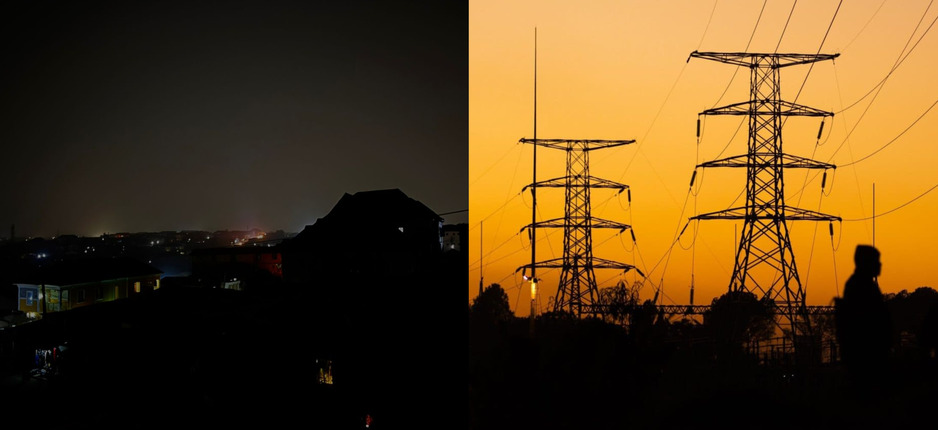
Until last week, Bayelsa State was without power for over four months. It is, unarguably, the longest a state in the country has been without electricity. It all started like a joke when, in July, daredevil vandals destroyed some critical power infrastructure that connected the state to the national grid from the Ahoada axis of Rivers State.
Residents of the state suffered untold hardship from the impact of the prolonged blackout. Businesses and other socio-economic activities were badly affected, forcing some people to temporarily relocate to neighboring states.
The huge cost of fuel and diesel did not help matters as it exacerbated the pains of the people, preventing them from powering their generating sets. Criminal elements took advantage of the situation to carry out nefarious activities in neighborhoods without formidable vigilante service.
Only those who could afford solar power as an alternative power supply smiled. The solar-powered streetlights installed by the Niger Delta Development Commission (NDDC) provided some relief, as they lit the streets and roads at night, preventing a complete and total darkness of the state.
Now that the people are rejoicing that power has been restored and life has returned to normalcy, valuable lessons should be learned from the embarrassing situation. These lessons would help to prevent a recurrence in the future.
Firstly, the federal government must work towards a synergy with state governments and relevant government agencies to ensure that public assets like power are protected at all times. This way, vandals will not have the temerity to go close and destroy such facilities. Setting up local security taskforce for the sole purpose of this should be very pressing now.
Secondly, state governments like the Bayelsa State Government have the capacity and should therefore expedite action to build an independent power project. This will provide the best source of alternative that will ensure all round power supply. The time to do this is now.
Also, there should be some form of emergency response system to tackle such urgent situations. Four months wasn't just four days. No matter how bad the destructions were, to allow a whole state to be without bulk power supply is to say the least, undermining. If any of the oil platforms in Bayelsa were shut for even a day, the federal government would not have wasted so much time to fix it because of the anticipated revenue loss.
We also think that the state government and her representatives at the national level did not do so much to draw the needed attention over the issue. One had expected that the issue would have been top on their advocacy as lawmakers. If that had been the case, the authorities would have been compelled to take urgent steps. Right groups and residents of the state also did not put in extra efforts like a strong media campaign with the right hashtag as part of a robust advocacy.
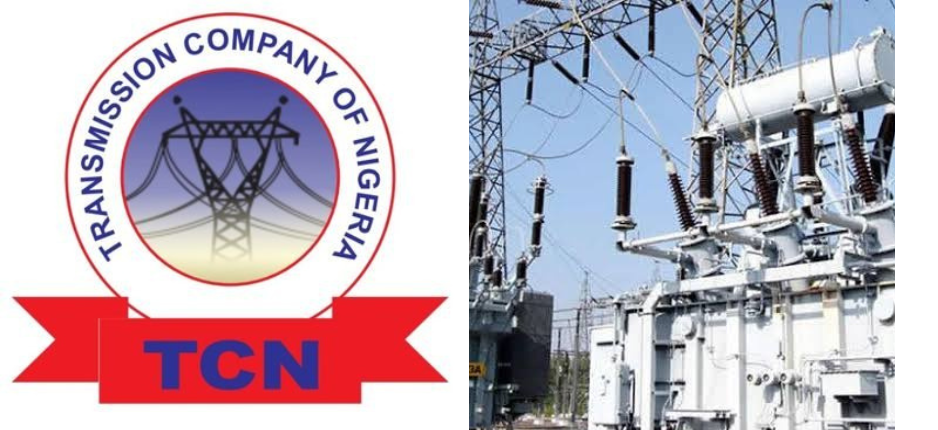
The details of the financial intervention of the Bayelsa State Government to aid and fast track the restoration of power through the Transmission Company of Nigeria (TCN) is not well known. But we urge the federal government to make a refund to the state government for every kobo it spent to get the issue sorted out.