

Minimum Wage: Time for Nigerians to re-evaluate their gains with Governors
Published
Sunday, September 8, 2024 at 04:00 PM
Written by Chinedu Eze
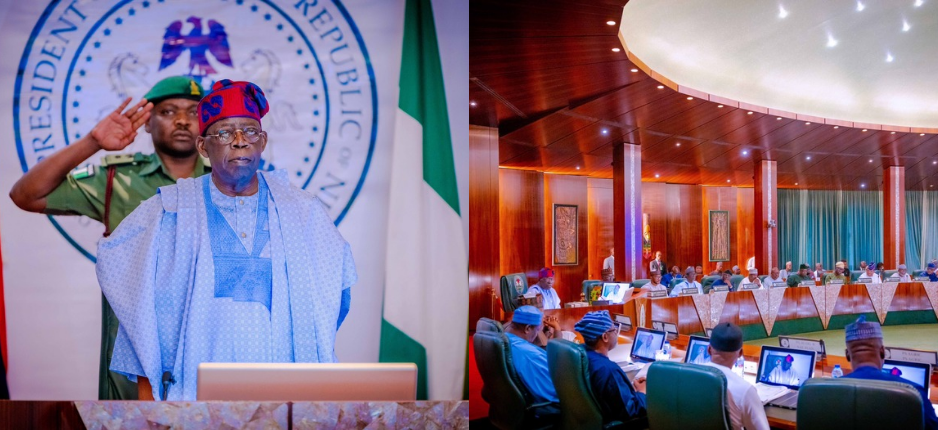
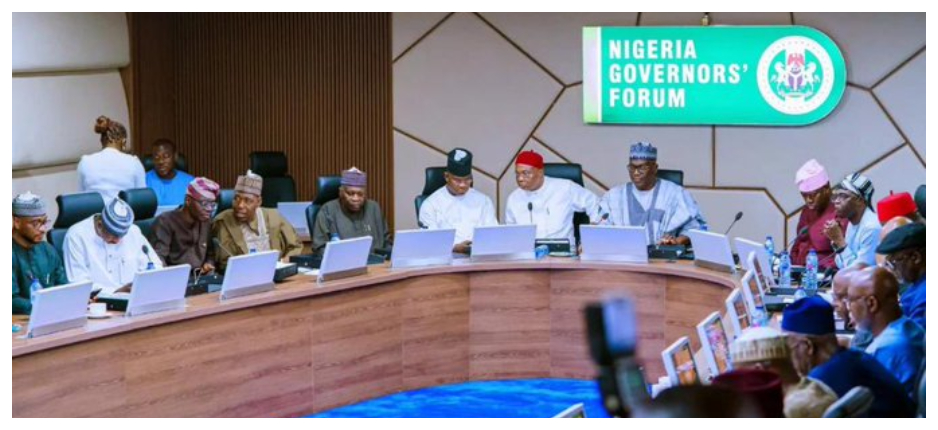
 As the negotiation progressed, the focus shifted to the subnational level, where governors, who were integral to the government's negotiating team, were expected to uphold the agreement and ensure its implementation. However, despite their initial commitment to the new minimum wage at the Governor's Forum, discordant voices began to emerge from the State Governors.
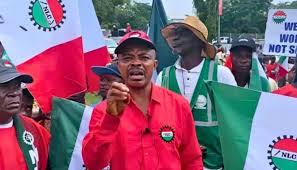
  The average Nigerian worker is struggling to make ends meet, with a constant income that barely covers their basic needs, while the ruling class flaunts their opulence, exacerbating the frustration of the poor. The deplorable conditions of service and the seeming code of silence from civil society and labor unions have raised concerns about their effectiveness in advocating for workers' rights.
Edited By: Justice Taqwa
The journey to greatness is one step at a time and you should be part of it.
Join the NDconnect community channels on WhatsApp and Telegram to get News updates and add to the voices shaping the future : ❤️
WhatsApp Channel: https://whatsapp.com/channel/0029VajWDeK29754T7BzHU2H
WhatsApp Community: https://chat.whatsapp.com/Dlm6LmlgmzaKCMUYP4BPwC
Telegram t.me/NDConnectNewsAlert
11 months ago
Apprehend Kidnappers of Justice Umukoro
see more
11 months ago
Rivers: Peace at What Price?
11 months ago
2027: Can the Coalition Work?
1 year ago
Tinubu, Democracy Day, and June 12
1 year ago
Diri at 66: Daring The Terrain in Bayelsa
1 year ago
PDP's Rescue Mission
1 year ago
Reoccurring Nightmare of Police Brutality
1 year ago
Adieu Pa Clark (May 25, 1927 to February 17, 2025)
1 year ago
All Eyes on Pope Leo XIV
see more


Recommended Stories

1 year ago
Otti Promises Support for Teachers on World Teacher's Day
…NUT tells govt to empower teachers
see more
1 year ago
APGA Chairman Lauds Tinubu Over Bianca's Appointment
see more
1 year ago
NDLEA Sentences Canadian lady To 11 years In Prison
see more

1 year ago
Rep. Idem Urges Oversight of Akwa Ibom Oil Firms
...Tasks NOSDRA, NMDPRA
see more

1 year ago
Banky W, Adesua Etomi Expecting Second Baby
see more
1 year ago
Minimum Wage: Delta Gov Opens Talks with NLC
see more

Niger Delta Connect is an award winning indigenous and community based news platform that delivers high quality and original stories that shine light on emerging developments, connect & unravel underreported realities in the Niger Delta.
Your News
Quick Links
Categories
© Solalina Media.