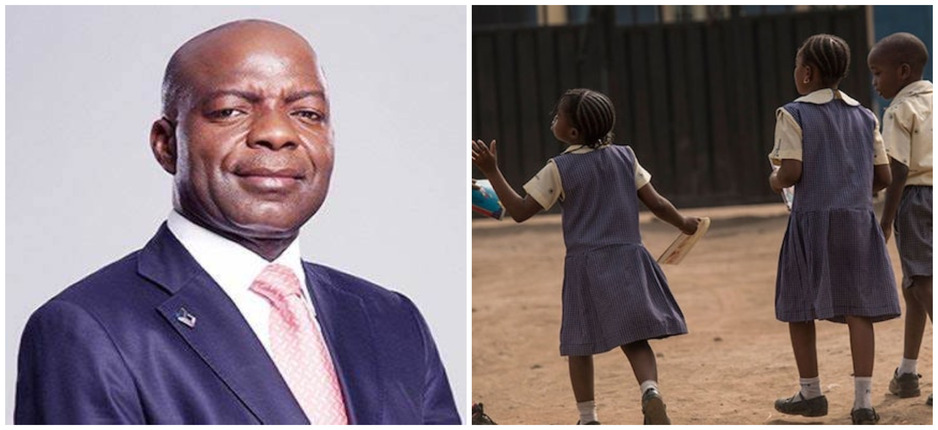



Bayelsa State government said it has disbursed about N13.8 billion to 466,732 direct beneficiaries in the 8 local government areas of the state for rural and empowerment intervention programme, Bayelsa-CARES.
This was disclosed by the State Focal Person of Bayelsa-CARES, Mr. Timipre Seipulou, during a press conference held yesterday in Yenagoa, on the success story of the project which started in January 2022 with a total annual budget of $20 million with a duration of two years.
The Bayelsa-CARES programme was a response to cushion the effect of the COVID-19 Pandemic in collaboration with the Federal Government's Nigeria COVID-19 Action Recovery and Economic Stimulus (NG-CARES), to impact the livelihoods of poor individuals, farmers, vulnerable households, communities and owners of micro and small enterprises.
According to Seipulou, about N16.8 billion has been released by the Prosperity Administration for the programme as at October, 2024, adding that over one million people have benefited indirectly in almost every community in Bayelsa State.
He stated that given the general success of the programme so far, the Governor, Douye Diri, has approved an extension from the terminal date of June 2024 to December, 2024 in the first instance and afterwards, the continuation of Phase 2 from January 2025.
He said, "The programme is divided into three main Result Areas (RAs), namely: Social Protection, Agriculture, as well as Micro, Small and Medium Enterprises. The social protection platform i.e. Result Area 1 is being driven by the Community and Social Development Agency (CSDA).
The second platform, which is Agriculture (Result Area 2) is under the charge of FADAMA while the third component Micro, Small and Medium Enterprises (Result Area 3) is being powered by the Bayelsa State Micro Enterprise Development Agency (BYMEDA).
"The three platforms are further broken into smaller components for ease of administration. The first platform, Social protection covers Social transfers; Labour and public works; Livelihood grants as well as Basic services.
"The second platform, Agriculture covers Agricultural inputs services; Agricultural assets services and Wet market while the third platform, Micro, small and medium enterprises covers Support to SMEs as operational grants.
"The programme has provided an alternative source of monthly income, food to the average family, boost agriculture, support safe hygiene, and improve infrastructures in the rural communities through local and indigenous contractors. Deliberately, we have built capacities and put money in the hands of the people.
"By the model of the programme, all our activities being properly documented and reported are also regularly reviewed and confirmed by independent third parties engaged by the World Bank."