


The World's apex Bank says that Nigeria will emerge a world economic power in the next 10 to 15 years to come, if it continues to maintain its ongoing economic reforms.
The world bank stressed that Nigeria being an economic power, has chances not only in sub-Saharan Africa but also at a global stage of influence if it keeps up with it's reforms.
These reforms, according to the apex bank, are essential for ensuring sustainable growth and development, thereby allowing Nigeria to compete with other emerging economies in the world.
This was announced by the Senior Vice President of the World Bank Group, Indermit Gill, while dishing out advice during the ongoing 30th Nigerian Economic Summit, organised by the Nigerian Economic Summit Group and the Ministry of Budget and National Planning today, Monday the 14th of October, in the nation's capital Abuja.
The Nigeria Economic Summit is scheduled to last for three-days, with the theme : “Collaborative Action for Growth, Competitiveness, and Stability.”
Nigeria is currently struggling with a high inflation rate of 32.15 per cent, mostly as a result of the removal of the fuel subsidy by the federal government, which has increased transportation and production costs.
In addition, the coming together of the foreign exchange market has led to significant fluctuations in currency value, which has also increased the cost of goods and services across the country, contributing to a high cost of living.
In his welcome address, Gill mentioned that the reforms implemented by the current Government must continue to reverse the loss of N10 trillion enjoyed by the elites through fuel subsidies and multiple foreign exchange rates over time.
He pointed out that, implementing these reforms will be challenging, but very essential to protecting the nation's economy.
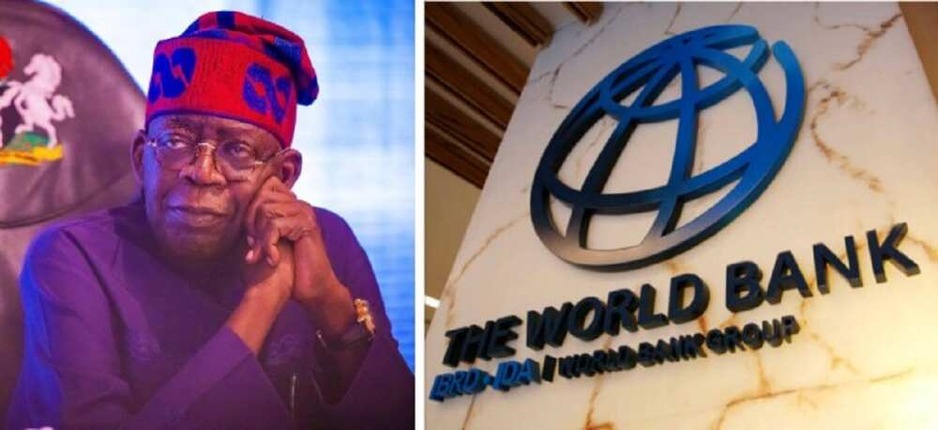
The World Bank is the collective name for the International Bank for Reconstruction and Development (IBRD) and International Development Association (IDA), two of five international organizations owned by the World Bank Group, it was established along with the International Monetary Fund at the 1944 Bretton Woods Conference.
It is an international financial institution that also provide financial advice and loans plus grants to the governments of low- and middle-income countries for the purpose of pursuing capital and developmental projects.