


For residents and visitors of Yenagoa, the capital city of Bayelsa State, Melford Okilo Road is a prominent landmark—a gateway that serves as the main entry and exit point of the city.
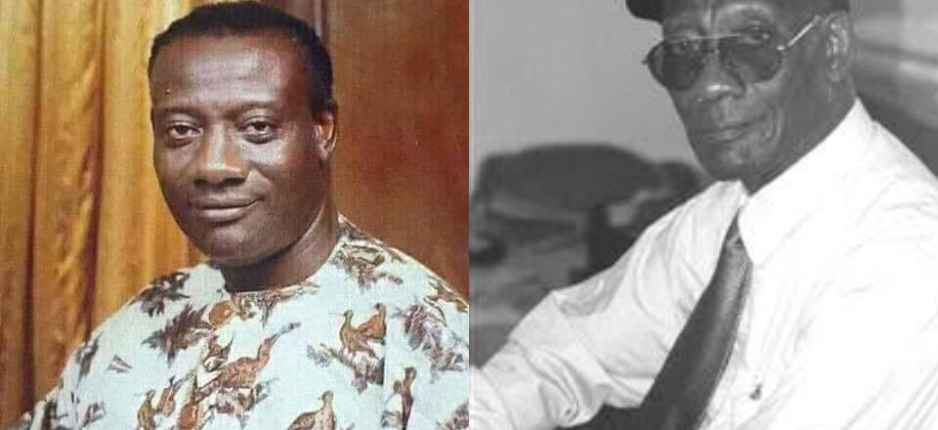
Yet, while the road stands as a testament to his name, many in the state may know little about the man behind it. Melford Obiene Okilo was not just a name etched in infrastructure but a pivotal figure in the history of the Niger Delta and Nigeria as a whole.
Early Life and Political Beginnings
Born on November 30, 1933, in Emakalakala, Ogbia, Bayelsa State, Okilo was of Ijaw origin.
Despite being a lawyer by training, his passion for public service saw him enter politics at the young age of 23.
From 1956 to 1959, he served as a member of parliament, representing the Brass constituency under the Niger Delta Congress platform. He later became a Parliamentary Secretary and Minister in the Nigerian First Republic under Sir Abubakar Tafawa Balewa.
A significant early achievement was his role in the creation of the Niger Delta Development Board (NDDB) in 1961. This initiative was aimed at addressing the developmental neglect of the Niger Delta region, a cause he championed throughout his career.
Governor of Rivers State: A Legacy of Development
During the Nigerian Second Republic, Okilo became the first elected governor of Rivers State (1979–1983). Under his leadership, he initiated groundbreaking projects that transformed the region. He founded the Rivers State University of Science and Technology and inaugurated the Independent Power Plant in Imiringi, which now serves Bayelsa State.
Okilo’s governance was marked by a deep commitment to rural development. He created 50 development units, empowering local communities to govern and implement their own development plans. His administration undertook projects to reclaim land, control erosion, construct roads and canals, and build rural housing and industrial estates.
Advocate for Resource Control
Throughout his political career, Okilo was a vocal advocate for resource control and equitable revenue sharing. His vision extended beyond governance, urging peaceful methods for resolving conflicts in the Niger Delta. Notably, in 2006, he called on Ijaw leaders to take their case for fair resource allocation to the International Court of Justice, emphasizing dialogue over violence.
Later Years and Legacy
In the Fourth Republic, Okilo served as Senator for Bayelsa East (1999–2003) under the People's Democratic Party (PDP). His contributions to the region's development and his philosophical writings, including The Law of Life (1991), left an indelible mark.
After a prolonged illness, Melford Okilo passed away on July 5, 2008, at the age of 74 in Yenagoa. His death marked the end of an era, but his legacy continues to inspire.
Honoring a Visionary Leader
During the 16th memorial anniversary in August 2024, leaders from the Niger Delta paid glowing tributes to Okilo’s contributions. Rivers State Governor Siminalayi Fubara remarked, “The history of the Niger Delta, and indeed Rivers and Bayelsa states, will be grossly inadequate without the mention of Okilo's selfless service to the region.”
The Managing Director of the NDDC, Samuel Ogboku, described Okilo as a “true nationalist whose humble and selfless sacrifice led to the Ijaw nation producing the first president from the Niger Delta.”
A Name Beyond a Road
While Melford Okilo Road remains a vital artery in Yenagoa, it is imperative to remember the man who stood for progress, equity, and the upliftment of his people.
His enduring legacy is etched not only in infrastructure but also in the hearts of those who continue to benefit from his vision for a better Niger Delta.