The Giant in the Dark: A National Shame and Economic Setback

Published

Wednesday, November 13, 2024 at 11:06 AM

Written by Omotola Adeleke
The Giant in the Dark: A National Shame and Economic Setback

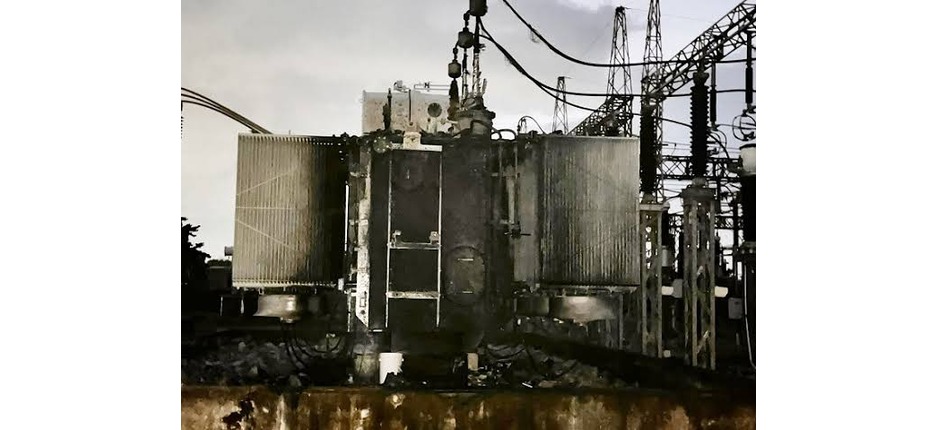
Nigeria, a leading nation in Africa, is struggling with persistent power outages due to repeated national grid collapses. This issue not only damages the country's reputation but also reveals deep-seated problems that require immediate attention.


The constant power failures have led to economic instability, widespread frustration, and disruptions in various sectors, including homes, offices, businesses, churches, and other organizations.


The situation remains a pressing challenge as its underscores the critical need for comprehensive reforms in the energy sector to address the country’s power shortages.


Essential services like healthcare, education, and security are disrupted by unreliable power supply. Without stable electricity, these sectors struggle to function properly, exacerbating the challenges faced by citizens and further deepening the country’s developmental issues.


As Africa’s largest economy, Nigeria should be leading the way in energy infrastructure, but instead, the repeated failures of the grid reveal systemic issues that continue to plague the nation. Power outages disrupt daily life, hinder industrial growth, and stifle economic progress. 


These blackouts damage the country’s global reputation, especially given its vast energy resources.


Each grid collapse further exposes the poor management of the electricity sector and the lack of long-term planning to address Nigeria’s energy needs.


Until this issue is addressed, Nigeria will continue to struggle with economic stagnation and a tarnished reputation.


It’s also pertinent to note that the instability of the national grid undermines investor confidence, which in turn stifles economic growth and development. Without reliable electricity, the potential for business expansion and economic progress is significantly diminished, hindering the country’s overall prosperity.


The ongoing impact of this crisis is far-reaching. Businesses face higher production costs due to frequent power outages, which are often transferred to consumers in the form of higher prices, fueling inflation. This cycle of increased costs and rising prices continues to burden the economy and the general public.


Power outages significantly increase security risks by creating vulnerable environments. With unreliable electricity, security systems such as surveillance cameras, alarm systems, and lighting are often rendered ineffective, making both homes and businesses easy targets for criminals. The lack of power also hampers the response time of security forces, exacerbating the safety concerns of citizens and communities.


To address the ongoing power crisis, several key actions need to be taken. This includes, diversification of energy sources. Nigeria heavily relies on the national grid powered by fossil fuels, primarily natural gas. Diversifying energy sources by investing in renewable energy such as solar, wind, and hydropower would reduce the strain on the grid and provide alternative power options. A robust mix of energy sources can mitigate the risk of total system failures


Grid modernization and expansion is another way to ameliorate the situation. The national grid infrastructure is outdated and inefficient. Investments in modernizing transmission and distribution systems, including upgrading transformers and expanding capacity, are crucial. A more resilient grid with smart technologies will help prevent cascading failures and ensure more consistent electricity delivery


Also, decentralized power generation is be a part of addressing the frequent collapse. Encouraging localized power generation, especially through Independent Power Producers (IPPs) and community-based renewable projects, would reduce the over-reliance on a centralized system. These smaller grids can operate independently during national grid failures, offering a more resilient energy supply to local areas


Authorities should also invest in improved maintenance and monitoring. Regular maintenance of power plants and transmission lines, alongside advanced monitoring systems, would help identify vulnerabilities before they result in collapse. A proactive approach to system management is essential to avoid widespread outages


The government should also incentivize private sector involvement in the energy sector, allowing for competition, innovation, and more efficient service delivery. Public-private partnerships can stimulate investment and help improve power generation, distribution, and management


Again, comprehensive policy reforms, including restructuring the power sector and strengthening regulatory frameworks, would encourage accountability and greater efficiency. Ensuring that the power sector is insulated from political interference and corruption is key to sustainable energy supply


Educating the public on energy conservation practices can help reduce demand during peak times, alleviating pressure on the grid. Additionally, a focus on reducing energy wastage would contribute to improving the overall efficiency of the system.


Addressing the collapse of the national grid in Nigeria requires a multifaceted approach. With a combination of diversification, investment in infrastructure, and effective governance, Nigeria can turn its energy challenges into an opportunity for growth, creating a more stable, reliable, and sustainable power supply for the nation


Edited By: Chinedu Eze

The journey to greatness is one step at a time and you should be part of it.

Join the NDconnect community channels on WhatsApp and Telegram to get News updates and add to the voices shaping the future : ❤️

WhatsApp Channel: https://whatsapp.com/channel/0029VajWDeK29754T7BzHU2H

WhatsApp Community: https://chat.whatsapp.com/Dlm6LmlgmzaKCMUYP4BPwC

Telegram t.me/NDConnectNewsAlert