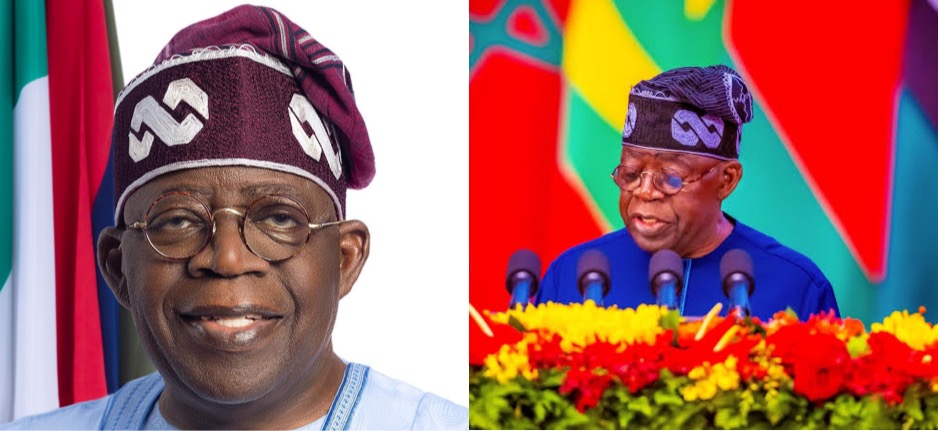



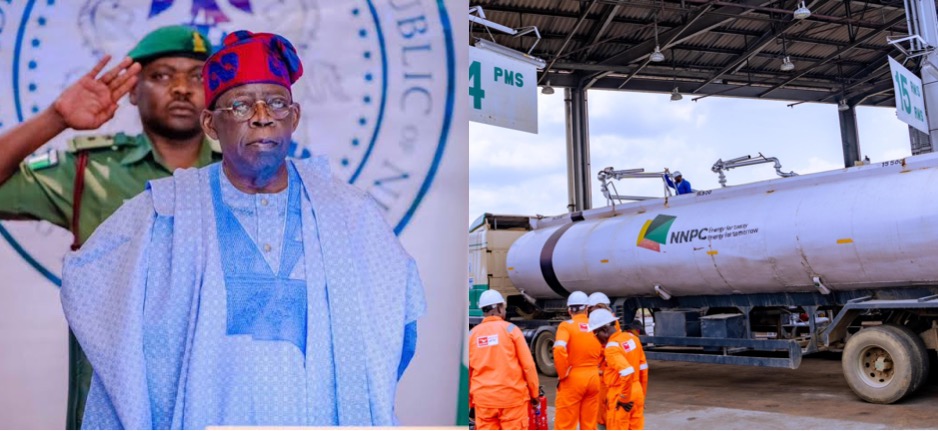
President Bola Tinubu, in a statement on November 26, 2024, celebrated the successful restoration of the refinery and the commencement of product loading, a vital milestone for the country’s oil sector.
The revival of the Port Harcourt Refinery marks a significant turning point in Nigeria's long struggle to attain self-sufficiency in refining petroleum. This achievement is part of a broader push to overhaul Nigeria’s decrepit refinery infrastructure, a goal that has eluded the nation for decades.
For years, Nigeria’s refineries despite being among the largest oil producers in Africa, have remained idle or inefficient. The country has become highly dependent on imported refined petroleum products, draining foreign reserves and perpetuating a cycle of importation that many have criticized.
With the Port Harcourt refinery now back in operation, President Tinubu stressed the need for continued revitalization, urging the Nigerian National Petroleum Company Limited (NNPCL) to speed up the reactivation of the Warri and Kaduna refineries, in addition to completing the second Port Harcourt refinery.
Tinubu’s praise extended to NNPCL’s leadership under Mele Kyari, whose dedication helped surmount significant challenges to reach this achievement. The project’s financing was made possible by the African Export-Import Bank (Afreximbank), whose confidence in the country’s oil sector bodes well for future investments.
The success of this rehabilitation effort also acknowledges the groundwork laid by former President Muhammadu Buhari. His administration initiated the comprehensive rehabilitation of the refineries, and while the process faced delays and obstacles, the current administration is poised to carry the torch forward.
However, the path to revival has been rocky. The Port Harcourt refinery, once capable of refining 210,000 barrels per day (bpd), was shut down in 2019 for repairs and only began production again in late 2024.
Historically, repeated Turn-Around Maintenance (TAM) attempts from 2010 to 2023 have failed to yield long-term results. Between 2015 and 2020, former President Buhari’s administration spent over ₦11 trillion on refinery repairs without success. In contrast, the Tinubu administration has set ambitious timelines to revive all four of Nigeria’s refineries by 2024–2025, though delays are common.
Despite these challenges, there is renewed hope for Nigeria’s energy sector. As part of a broader strategy to reduce import dependence, the Nigerian government is now considering the full privatization of the state-owned refineries.
This shift in strategy underscores a recognition that past efforts have failed, and new approaches may be necessary to restore Nigeria’s refining capabilities and bolster the national economy.