


The failure of the Federal Government to implement the Supreme Court’s ruling on direct allocation to local government accounts has stirred controversy, with many pointing to President Bola Ahmed Tinubu’s administration for the delay. Despite the landmark judgment in July 2024, which mandated that federal allocations be paid directly to the 774 local government councils, the process has not been activated.
According to reports, allocations are still being funneled through joint state-local government accounts, as administered by the Federation Accounts Allocation Committee (FAAC).
This defies the court's directive, which was designed to grant local governments financial independence by allowing them to manage their own funds without reliance on state governors.
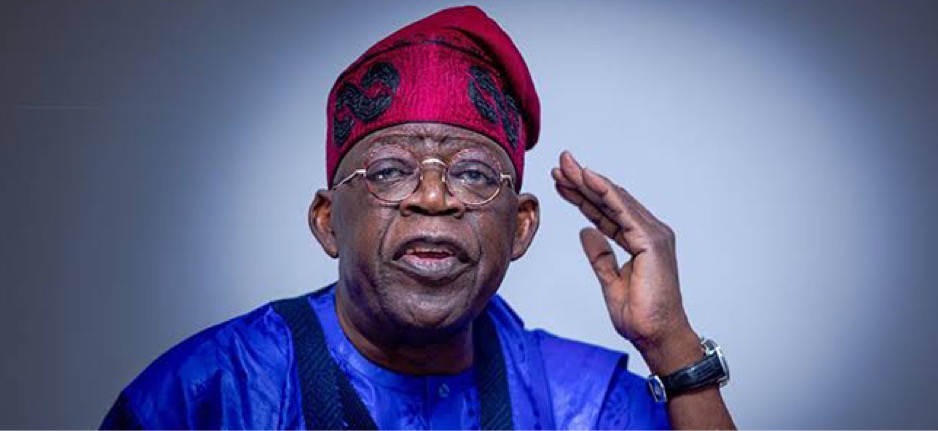
The crux of the issue lies in the Federal Government’s failure to fully implement the Supreme Court ruling. A key factor behind the delay has been attributed to President Tinubu’s withholding of approval for the technical report submitted by an inter-ministerial committee tasked with ensuring the execution of the ruling.
The committee led by Senator George Akume, was created to oversee the transition to direct payments. After completing its technical assessment, the committee submitted its recommendations to President Tinubu, but four months on, there has been no indication of when implementation will commence.
Akeem Ambali, the National President of the National Union of Local Government Employees (NULGE), expressed frustration over the stalled process, noting that the committee’s work is complete, and the President’s approval is the only remaining step.
"We are waiting for the green light from the President," Ambali remarked, underscoring the urgency of fulfilling the court's directive to ensure local governments have control over their finances.
Meanwhile, the Office of the Accountant-General of the Federation, through its Director of Press and Public Relations, Bawa Mokwa, has maintained that work is ongoing to facilitate direct disbursement. However, Mokwa did not offer a timeline, leaving local government officials and advocates in the dark about when the long-awaited policy will finally take effect.
While the Federal Government initially cited operational challenges as the reason for the delay, the expected three-month window for resolving these issues has long since passed.
Critics argue that the continued postponement raises concerns about the administration's commitment to strengthening local government autonomy, a key issue for many local government workers.