



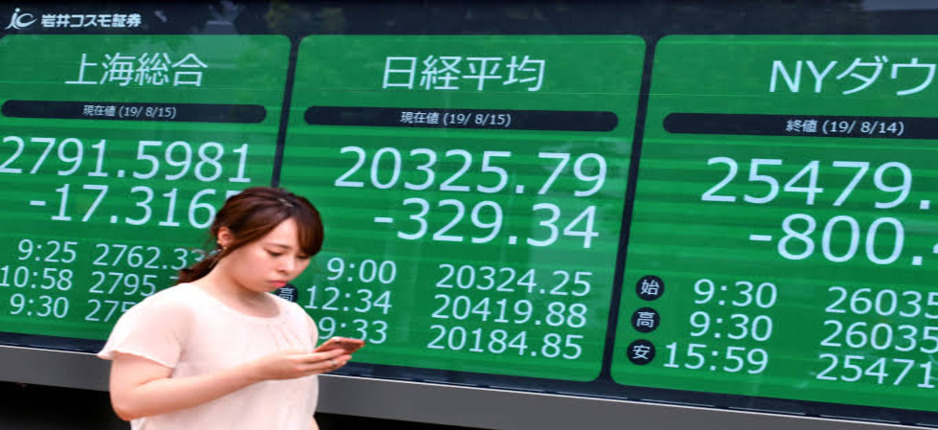
The Asian market experienced a downturn today, September 3, 2024, as investors pull towards getting high-stake US jobs in the week while also keeping close tabs on China after new data stoked birthed worries.
The Federal Reserve is highly expected to cut interest rates at its next meeting which is set to hold later this month, but close attention is also being given to Friday’s non-farm payrolls (NFP) figures, which are known to play a major role in how profitable the Central Bank will be.
However, analysts warned that traders in the world’s number two economy, were sensitive to a report that is too far above or below forecasts given.
A miss to the upside could take away hopes for a series of reductions but a report well below expectations would likely revive worries about a possible recession that could be experienced in the market.
According to reports released by Charu Chanana at Saxo Capital Markets, referring to the NFP as well as job openings and private hiring figures, it read in part: "This week’s overload of labour data… will be crucial in breaking the debate between a 25 or 50 basis point cut in September,”
“If the data remains robust, a 25-basis-point cut is more likely. However, a weak NFP, particularly if it falls below 130,000 with another jump higher in unemployment rate, could push the rates market closer to pricing a 50-basis-point cut.”
Chanana further explained that investors will be paying close attention to comments from New York Fed boss, John Williams and governor Christopher Waller fully, later in the week for an idea relating to officials’ thinking.
Even with Wall Street closed on Monday for a public holiday, there were few major catalysts to drive business, while the Asian market slipped.
Seoul, Wellington, Taipei, Hong Kong, Sydney, Manila, Mumbai and Jakarta all fell, with Tokyo marginally lower, though there were small gains in Singapore and Bangkok.
Curiosity and worry over the Chinese economy was keeping buyers at bay after another round of data showed the country’s manufacturing sector contracted for a fourth time straight in a month.
Various channels of indicators have spotted weaknesses in the economy since leaders lifted painful Covid effects at the end of 2022, meanwhile, Beijing has refused to go on the sort of big-ticket stimulus it unveiled earlier during the global financial crisis.
The Yen became stronger after the Bank of Japan chief, Kazuo Ueda restated his intention to lift interest rates again if inflation and the economy meet forecasts reports.
Hours before Fed indicated it was ready to begin cutting even with the bank’s surprise decision to hike in July, it sparked a massive unwind of the so-called “Yen carry trade” in which investors used the cheap currency to buy high-quality and profiting assets such as stocks and others.
With no sign that the government will give in to the calls for support, investors are left waiting worriedly for the latest round of data reports that will emerge this month, with inflation and trade possibly due next week.
Read More