

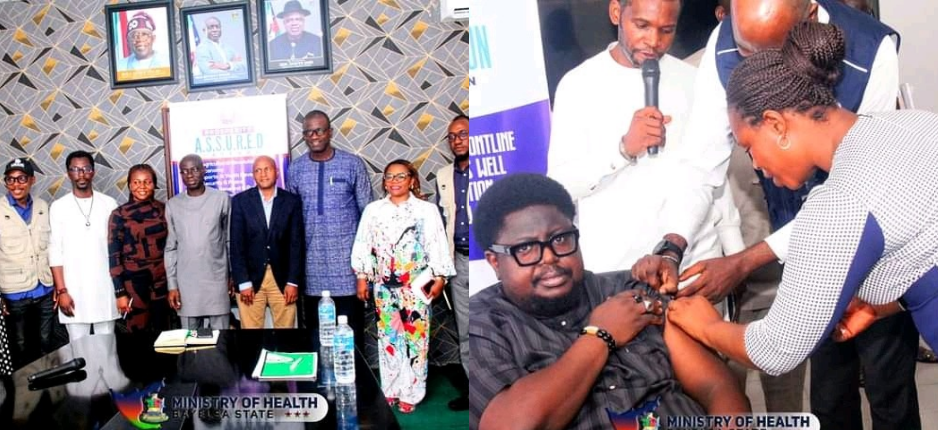
In a proactive move to curb the spread of the Monkeypox (Mpox) disease, the Bayelsa State Government has launched a vaccination campaign for frontline health care workers.
The initiative, flagged off by the Commissioner for Health, Professor Seiyefa Brisibe, on November 25, 2024 aims to protect high-risk individuals and prevent further outbreaks of the disease.
Bayelsa State has been significantly affected by the current Mpox outbreak in Nigeria, with a substantial number of confirmed cases reported.
As a result, the state has been selected, alongside six other states, to implement the Mpox vaccination programme for frontline health care workers and high-risk populations.
The Mpox vaccine, administered in two doses a month apart, is targeted at eligible individuals, including frontline health care workers, contacts of confirmed cases, and immunocompromised persons. Due to the limited availability of the vaccine, the initial phase of the vaccination campaign will focus on those most at risk of contracting the disease.
The Bayelsa State Government has received 639 doses of the vaccine, which will be administered through the Bayelsa State Primary Health Care Board.
The state's surveillance system is also on high alert to respond to any cases of Adverse Events Following Immunization (AEFI), with designated treatment centers on standby to provide prompt medical attention.
Commissioner Brisibe emphasized the importance of preventive measures in combating the spread of Mpox, encouraging frontline health care workers to adhere to established protocols.
The flag-off ceremony was attended by top government officials, including the Permanent Secretary of the Ministry of Health, Dr. (Mrs.) Oluwatoyin Azebi, and representatives from USAID and the World Health Organization (WHO).
In a similar development, the Bayelsa State Government on Friday received a donation of essential medical equipment from GAVI and UNICEF.
The equipment, which includes examination tables, stethoscopes, and vaccine carriers, is aimed at supporting quality healthcare services, particularly for children and vulnerable populations.
The Commissioner for Health, Professor Seiyefa Brisibe, received the donation on behalf of the state government at the Bayelsa Drug Distribution Center in Yenagoa.
Professor Brisibe commended GAVI and UNICEF for their partnership, stating that it is a testament to the success of collaborative efforts in strengthening the healthcare system in Bayelsa State.
The donation is expected to enhance the state's healthcare services, which are currently rated as average.
According to the state government, the equipment will be distributed to primary healthcare centers across the state, with a focus on rural areas where access to quality healthcare is limited.
The Bayelsa State Government has assured that the equipment will be utilized effectively to improve healthcare outcomes, particularly for children and vulnerable populations.