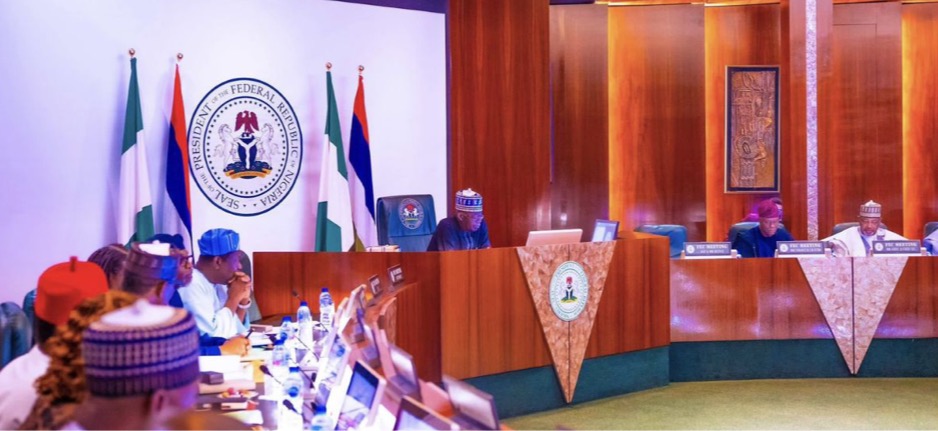



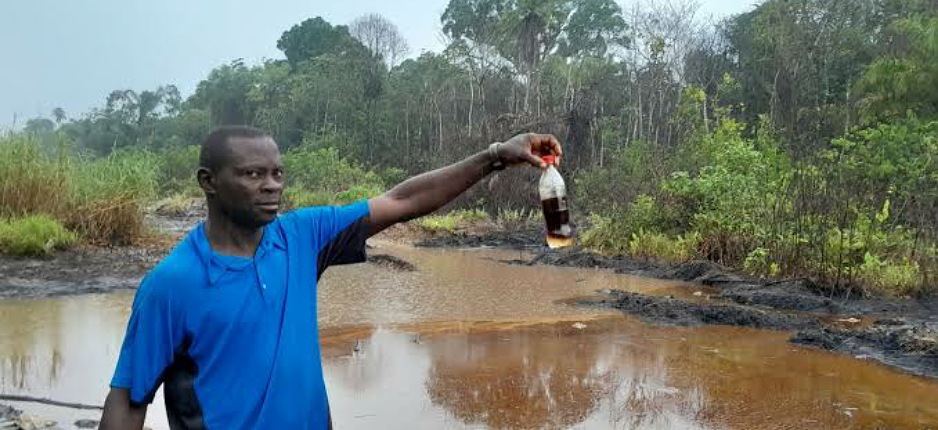
The Bayelsa State Government has announced its intent to drag international oil companies (IOCs) to court for what it describes as over 60 years of unrelenting environmental devastation. Governor Douye Diri made the explosive revelation on Monday during an expanded State Executive Council meeting at Government House, Yenagoa, where the state received the final report from the Bayelsa State Oil and Environment Commission.
The Commission’s report, titled "An Environmental Genocide: Counting the Human and Environmental Cost of Oil in Bayelsa, Nigeria," paints a harrowing picture of the devastation wrought by the oil industry. Governor Diri described the findings as "truly alarming" and vowed to pursue legal action both in Nigeria and abroad.
“This report captures the essence of our suffering and provides a pathway towards restoring dignity to our people,” Diri said.
The governor stressed that the IOCs' excuses—claiming 90% of oil leaks result from sabotage to escape liability—would not hold water in foreign courts. “We are now prepared to litigate globally to ensure the polluters pay for the irreparable harm they have caused.”
Bayelsa, the report reveals, bears 25% of Nigeria’s oil pollution, with devastating consequences for its residents. The governor quoted a 2012 study that linked oil spills in the Niger Delta to over 16,000 additional neonatal deaths, describing the loss of even one life as “one too many.”
“Each resident in Bayelsa has, on average, been exposed to one and a half barrels of spilled oil. In places like Southern Ijaw, the figure rises to six barrels per person,” Diri said grimly. “Our people are not just suffering; we are either already dead or waiting to die.”
The report underscores the economic injustice faced by Bayelsa. Despite producing oil that has generated over $150 billion for the Nigerian government since 2006 alone, the state has been left to bear the brunt of environmental destruction. On average, oil from Bayelsa contributes $10 billion annually to government coffers.
The Commission recommends a $12 billion recovery fund over 12 years to address the damage. It also proposes the creation of a Bayelsa Recovery Agency, a new compensation scheme for victims, and sweeping reforms to the regulatory framework governing IOCs.
“We have lost 40% of our mangroves, and toxic waste levels exceed acceptable limits in several areas,” said Archbishop John Sentamu, Chairman of the Commission. “Oil has been a curse for our land while enriching the Federal Government.”
Governor Diri dissolved the Commission following the report's presentation but assured the public that some members would transition into a new implementation committee to ensure the report's recommendations are carried out.
“We are not here to play politics,” Diri declared. “We will pursue environmental justice and restore what was taken from us.”
The report also calls for enhanced international scrutiny of IOC activities, both in Nigeria and their home countries. It demands greater transparency and accountability in community engagement efforts and proposes a legally binding decommissioning framework for abandoned facilities.
The findings have set the stage for a historic showdown between Bayelsa State and the oil giants, marking a new chapter in the Niger Delta’s long battle for environmental justice. As the governor put it, “We are ready to fight for our survival.”