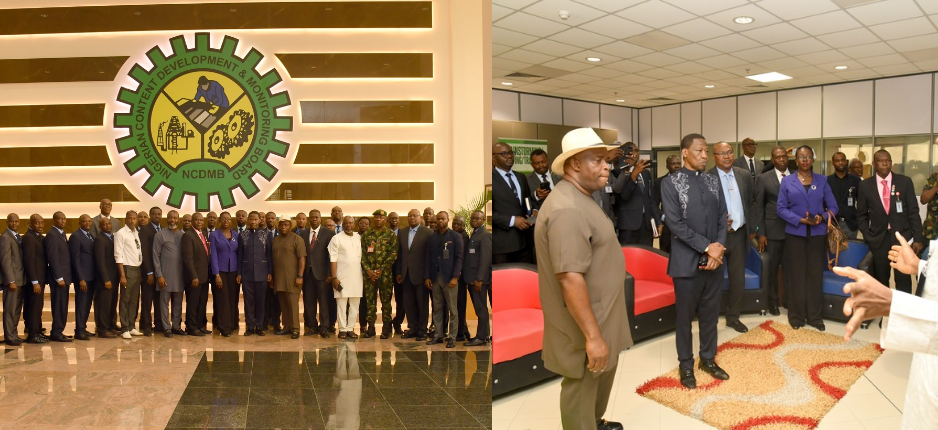



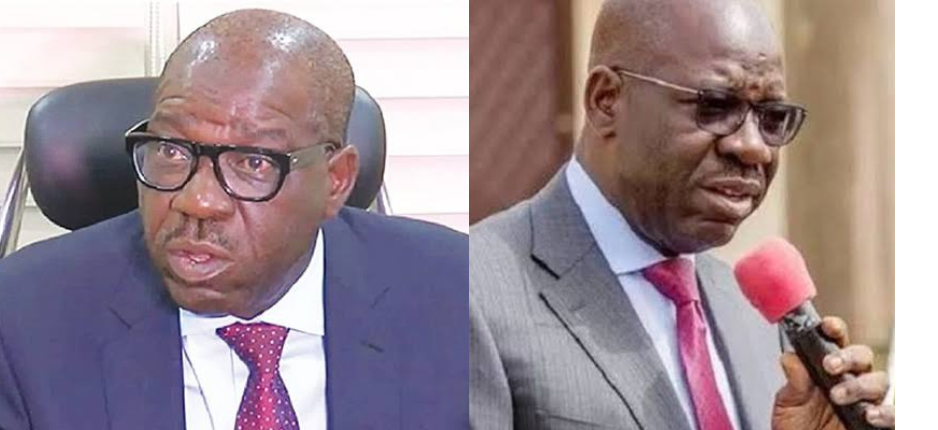
Governor Godwin Obaseki of Edo State has revealed why he paid a visit to the Independent National Electoral Commission (INEC) collation center in Benin City early Sunday morning.
It was learnt that at the early hours of Sunday, around 2am the governor was on the INEC premises until he was escorted outside by the police led by Deputy Inspector General Frank Mba.
However, his visit was met with resistance from members of the All Progressives Congress (APC), led by Dennis Idahosa, Monday Okpebholo's running mate. They protested and demanded Obaseki's exit from the INEC premises around 3:30 am on Sunday.
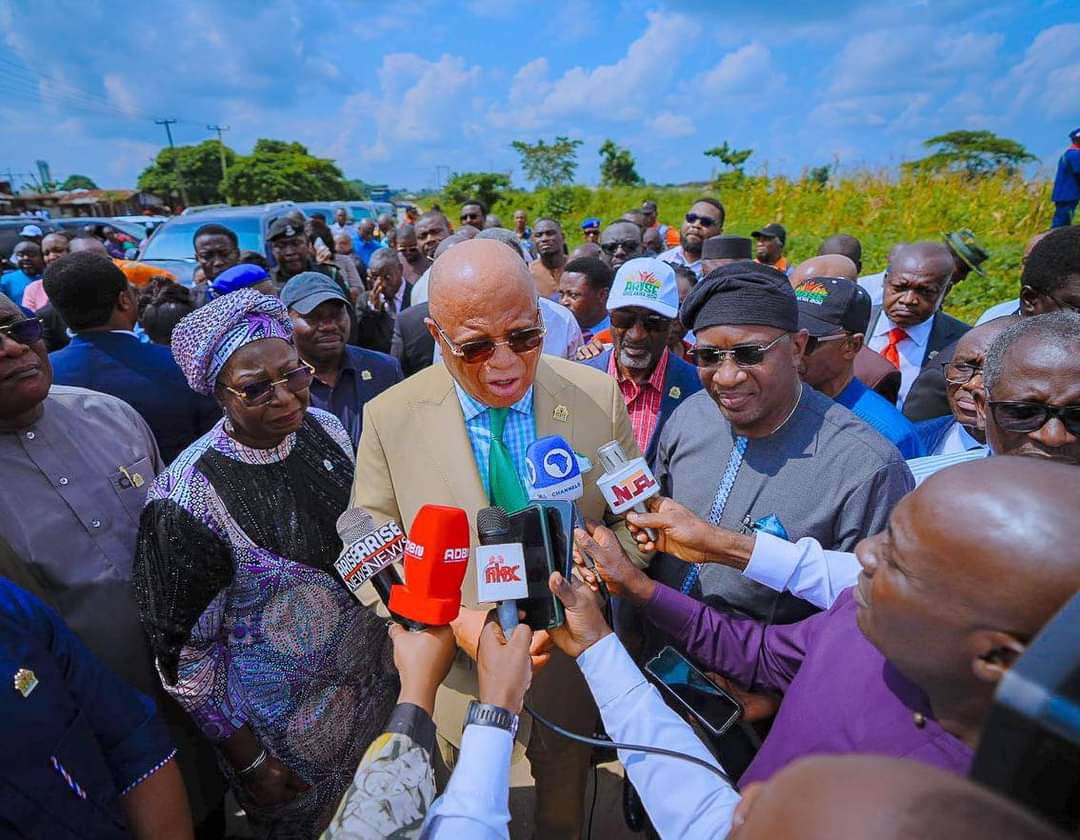
Obaseki who addressed journalists on Sunday at the Peoples Democratic Party Situation Room in Benin, said he was at the INEC office to meet the Resident Electoral Commissioner after getting reports that the commission had stopped collation.
He said, “At about 1 am, I got a report that collation was supposed to have been moved to the INEC head office. I also got reports from our agents that PDP agents were not allowed into the collation centre. At that point in time, I called the REC to find an explanation of what was going on. There was no response.
"Then I went to the INEC office to meet with the REC and to understand what steps INEC was taken to continue the process of collation. When I got in there at about 2:00 am, I did not see any coalition taking place and the REC refused to come out to explain what the situation was.
Subsequently, the DIG Police Frank Mba came in and had a meeting with me where I explained that if INEC was postponing or stopped the collation process, then as part of their rules, they should inform the public as to what next.
“As of 3:00 a.m., there was no information from INEC as to what was going to what eir rules, they should inform the public as to what next.
“As of 3:00 a.m., there was no information from INEC as to what was going to what was going on or what was going to happen next. It was subsequently after my insistence and meeting with Mr Frank Mba that INEC now released a statement at about 5:00a.m this morning informing the public that the collation process would start at 10 a.m. this morning.
“So, my go in there was essentially to obtain information from INEC because they had refused to put any information in the public domain as to what was going to happen with the collation process.”