


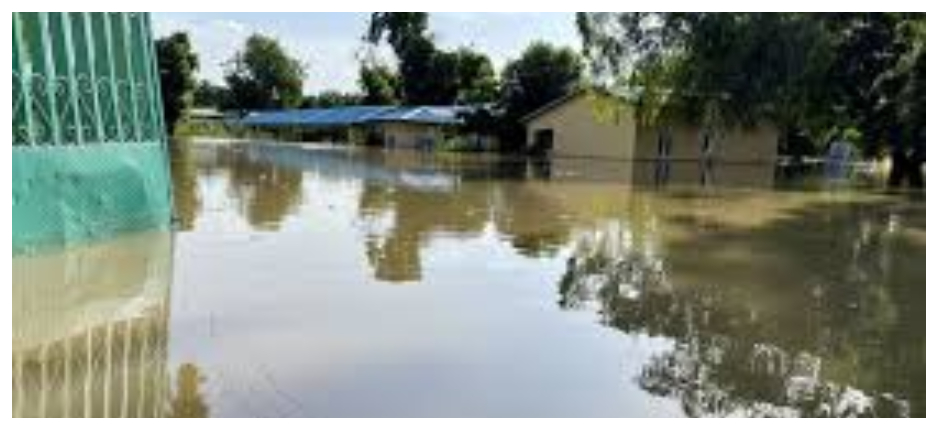
Nigeria is facing a devastating flood crisis, with widespread destruction and displacement reported across the country. The floods have ravaged hospitals, colleges, and tens of thousands of hectares of farmland, exacerbating food insecurity and displacement. The worst-hit areas include Borno State in the north and Bayelsa State in the south.
In Borno State, flash floods have affected over 239,000 people, with an unknown number of casualties. The floods have also engulfed a zoo, sweeping animals like crocodiles and snakes into communities.
A state-run zoo reported that over 80% of its wildlife has been killed, with deadly reptiles washed into neighborhoods. A video of an ostrich wading through a flooded road in Maiduguri has been widely shared on social media.
The flooding has been attributed to the Alau Dam's structural damage and heavy rains in neighboring areas. The dam last overflowed in 2012. Access to essential services like hospitals, schools, and markets has been hampered, with infrastructure damage including bridges.
The Borno State Government has appealed for humanitarian support, citing the flooding's occurrence during a food and nutrition crisis.
An online platform called Relief Web reported that the Muna IDP camp, already hosting over 50,000 IDPs, has received some of the displaced people. Government authorities have evacuated high-risk areas, with approximately 50,000 people relocated to temporary shelters. Other temporary shelters include the former Dalori IDP camp and the Asheik Jarma school in MMC. The El Miskin camp, housing approximately 7,000 IDPs, more than half of them children, has also reportedly flooded.
University students in Borno are also facing challenges, prompting the National Association of Nigerian Students to call for long-term solutions. The association's president, Afeez Akinteye, in a statement expressed condolences to flood victims and urged the Federal Government to create a comprehensive plan addressing the displaced people's immediate needs.
The statement partly reads ,” This unfortunate incident has disrupted not only the lives of residents but has also severely affected the educational aspirations of many young people.
“Education is a fundamental pillar of our society, and any event that threatens the ability of students to learn and thrive must be addressed with urgency and compassion.
“Our thoughts are with all those who have been displaced, and we express our deepest sympathies to the students and their families during this difficult time.”
Akinteye also conveyed sympathy to students and staff of Mohamet Lawan College of Agriculture, severely affected by the flooding.
The association called on the Federal Government to mobilize resources and deploy assistance to affected communities, particularly students. They emphasized the need for alternative learning environments to ensure displaced students can continue their education.
Recall that the National Emergency Management Agency advised communities at risk of flooding to relocate to safer areas in August, releasing data showing severe flooding in 27 states.