

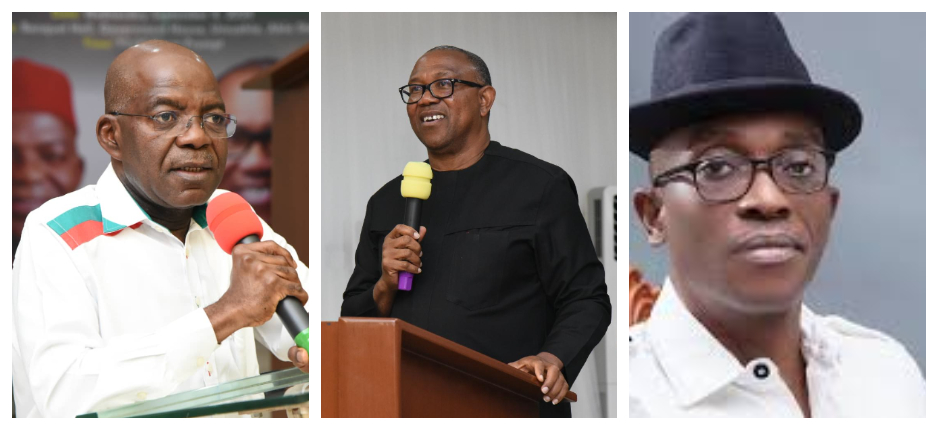
The Labour Party's meteoric rise to prominence in Nigeria's political landscape was a remarkable phenomenon that unfolded ahead of the 2023 General Elections. At its core, the party's surge was fueled by an influx of influential politicians who had grown disillusioned with the ruling All Progressives Congress (APC) and the main opposition party, the Peoples Democratic Party (PDP).
These individuals, often described as "strange bedfellows," found common ground in their dissatisfaction with the status quo and sought refuge in the Labour Party.
They were joined by progressive-minded, politically conscious individuals who shared a vision for change. The Labour Party's appeal extended across party lines, ethnic divides, and ideological shifts, attracting Nigerians who yearned for a departure from the old order.
A pivotal moment in the Labour Party's ascent was the displacement of Peter Obi, the former Anambra State Governor, by the PDP machinery. This event sparked a zoning crisis that ultimately denied the South a presidential candidate in the polls. Obi's subsequent decision to join the Labour Party and contest the presidency under its banner sent shockwaves throughout the political landscape.
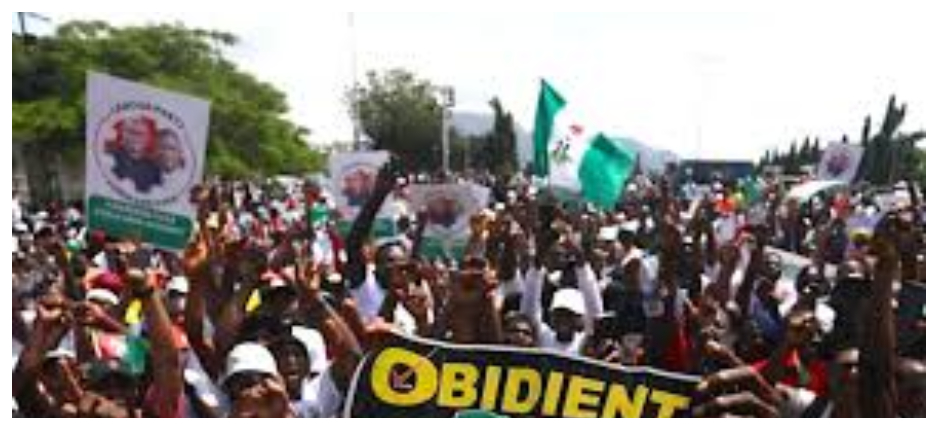 The impact was immediate and profound as the Labour Party experienced an unprecedented surge in membership, as Nigerians from various walks of life rallied behind Obi's candidacy. His message of change and good governance resonated deeply, particularly among young Nigerians and those seeking a break from the traditional parties.
The Labour Party's journey after the 2023 general elections has been quite eventful. Despite failing to secure the presidency, they won a governorship seat, several National Assembly positions, and State Assembly seats. This marked a crucial turning point for the party, as stakeholders embarked on solidifying the party's structure and expanding its influence beyond a mere political movement.
The burden fell on stakeholders to carry on with the party's vision and mandates, nurturing the structure as a viable opposition, remaining united, and sustaining growth across political divides.
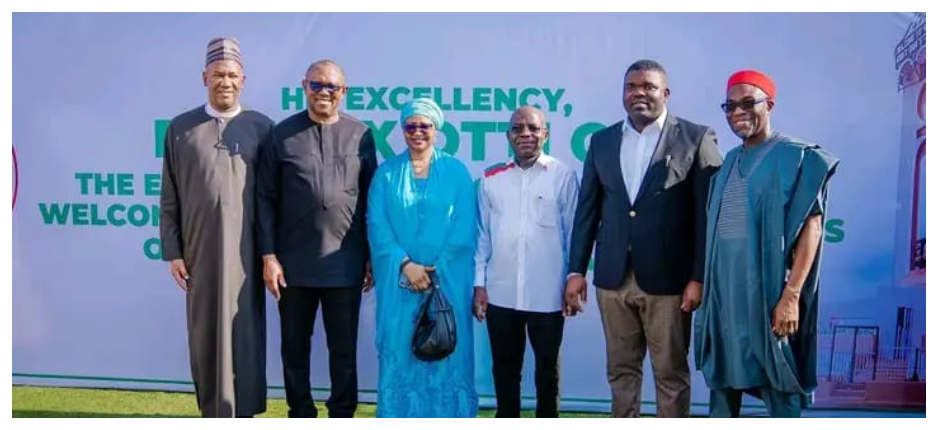
However, a leadership crisis soon erupted, pitting Julius Abure against stakeholders in a bitter struggle for control. The controversy surrounding the Nnewi convention sparked a legitimacy crisis, with INEC refusing to recognize Abure and his National Working Committee due to alleged improper notification.
READ ALSO; https://nigerdeltaconnect.com/labour-party-crisis-abure-and-otti-at-odds
This development worried stakeholders, prompting an emergency NEC/Stakeholders meeting in Umuahia, the Abia State capital.
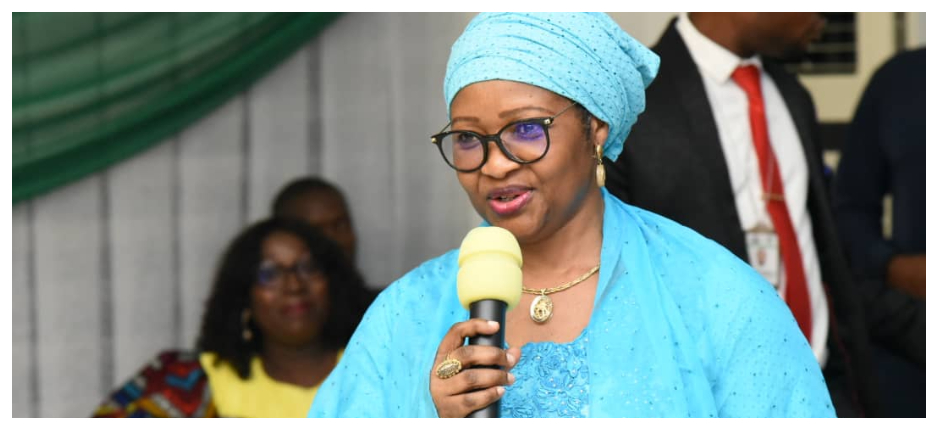
The gathering resulted in the formation of an interim administration, led by former Finance Minister Nnenadi Usman with an immediate task of organizing a convention within 90 days to produce new National Working Committee members.
Notably, Peter Obi, Governor Alex Otti, National Assembly Members, and the Nigerian Labour Congress (NLC) endorsed the interim management committee. This unified front demonstrates the party's commitment to resolving internal conflicts and emerging stronger.
The Julius Abure-led National Working Committee (NWC) has vehemently rejected the proposal for an interim committee, insisting that there is no vacancy in the Labour Party's leadership structure. This stance has sparked intense debate and fueled concerns about an imminent party implosion if the leadership crisis isn't promptly addressed.
Nigerians who saw the Labour Party as a beacon of hope for a fresh, progressive ideological shift in the country's politics are now questioning the sincerity of the party's promoters.
The party's inability to manage its internal conflicts has cast a shadow over its credibility and potential.