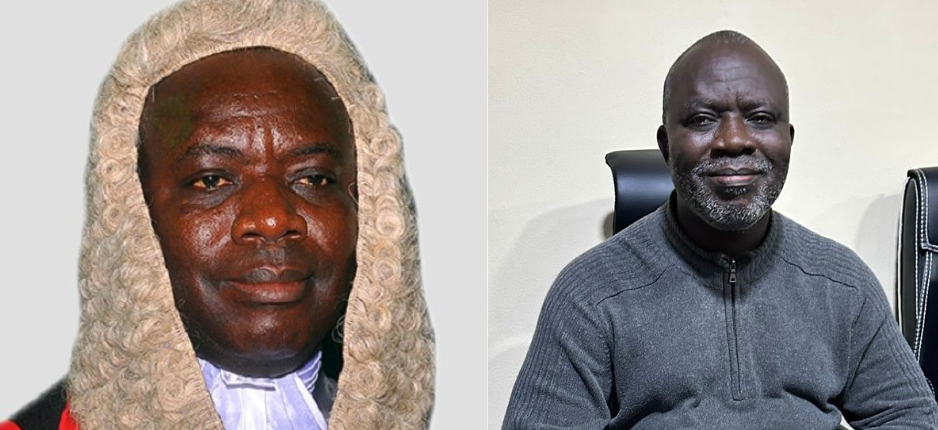


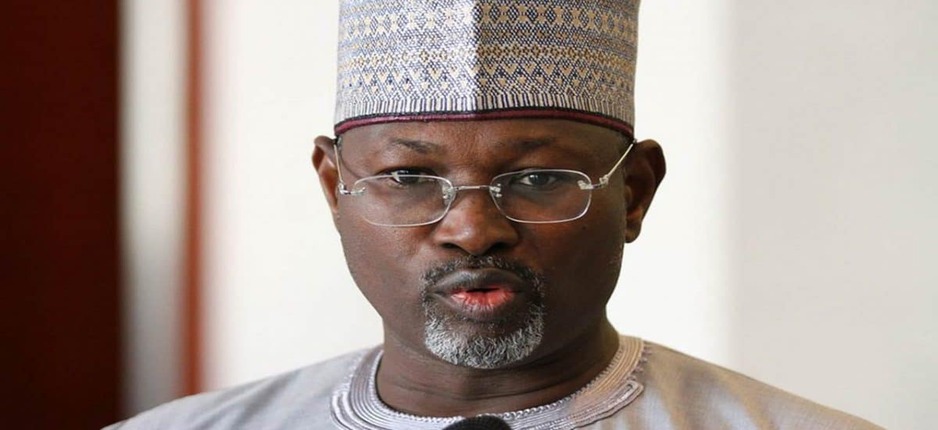
Former Chairman of the Independent National Electoral Commission (INEC), Prof. Attahiru Jega, cautioned Nigeria on Wednesday about relying too heavily on the advice of Bretton Woods institutions, particularly the World Bank and the International Monetary Fund (IMF).
He emphasized that while engaging with these organizations can be beneficial, the government must be vigilant to avoid creating long-term issues for the country.
Jega made his remarks during a lecture at the 2024 Annual Directors’ Conference, themed “Good Governance as a Catalyst for Economic Recovery, Growth, and Development,” organized by the Chartered Institute of Directors of Nigeria (CIoD).
Jega further advocated for reforming the leadership recruitment process, pointing out that a significant challenge in Nigeria is the lack of preparedness among many of its leaders.
Meanwhile, the Bretton Woods institutions have been allegedly accused of advising President Bola Tinubu on the present economic policies, especially the removal of subsidy from PMS as well as the floating of the naira which have plunged the country into inflationary pressures.
However, Abebe Selassie, the IMF’s African Region Director, clarified during a briefing on the sidelines of the IMF and World Bank Annual Meetings in Washington, DC, that the organization did not recommend that the President eliminate the fuel subsidy.
“The decision was a domestic one. It was President Tinubu’s decision. We don’t have programmes in Nigeria. Our role is limited to regular dialogue, as we have with other nations like Japan or the UK,” he said.
But speaking at the IOD conference, Jega advised Nigerians to pay serious attention to nurturing and entrenching democratic governance “rather than merely good governance being promoted by the World Bank.”
He stated that this is the only way to position Nigeria “on a sustainable trajectory of what I called, ‘People-oriented development processes.’
Furthermore, Jega reiterated that while it is good to engage the World Bank and such other organizations, “we should not swallow hook, line and sinker what they bring to us.
We must be very careful in terms of what measures they have suggested to us because if we don’t do that we may advertently or inadvertently fall into greater medium- and longer-term problems even if we think we are seeing short term benefits from that kind of engagement.”
Alhaji Tijjani Borodo, President and Chairman of the Council of the Chartered Institute of Directors Nigeria, stated that: “proudly leads the charge in promoting corporate governance across the country.”
“One of the Institute’s core missions is to enhance the professional capabilities of directors and business leaders in both the public and private sectors, covering a wide range of industries.
“As the recognized voice of Directors and Corporate Governance, the CIoD empowers our members to make meaningful contributions to their organizations, communities, and the nation as a whole.
“We are committed to building connections among top business leaders and working closely with the government to shape policies that support a favorable business environment, even in challenging times, to drive wealth creation.”
On the other hand, Mr. Mutiu Sunmonu, the Chairman of the occasion, emphasized that character is the foundation of good governance and sound corporate practices.
“If you don’t have the right character no matter the rule and compliance, everything will fail,” he said, adding that parents have a role to play in bringing up children with good character.”