NATIONAL YOUTH CONFERENCE: Another Talk Shop or A Call to Action?

Published

Saturday, October 19, 2024 at 11:46 AM

Written by Chinedu Eze
NATIONAL YOUTH CONFERENCE:  Another Talk Shop or A Call to Action?

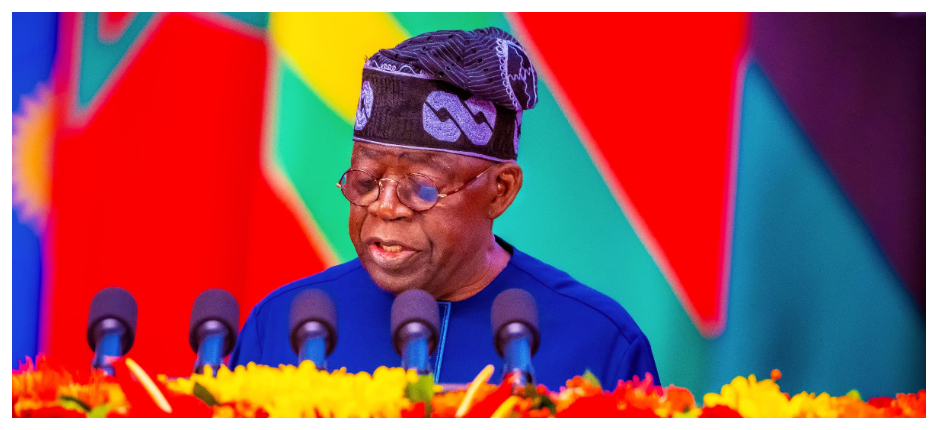
President Bola Tinubu's announcement of a 30-day National Youth Conference during Nigeria's Independence Day speech was met with mixed reactions from some citizens who were hoping for immediate policy solutions to tackle the country's economic struggles but instead got a conference aimed at empowering young people.


Some Nigerians saw this move as a distraction strategy by the Federal Government to avoid addressing the growing tension among young people and diffuse the failed #FearlessOctober protest, which aimed to remind the President of his unfulfilled promises. The protest was sparked by the harsh economic conditions and the desire for swift action by the authorities.


On one hand, the ruling class sees it as an opportunity to further engage with young people and address their concerns. They believe it's a chance to have a meaningful conversation and encourage youths to view things from a different perspective. To them, President Tinubu was spot on and deserved all the applause. Another introspective school of thought are skeptical, recalling the failures of previous national conversations aimed at reforming governance. They question the conference's effectiveness, wondering if it will yield tangible results or would simply be another talk shop.


However, according to President Tinubu's speech, the conference is designed to address the diverse challenges and opportunities confronting young people, who make up over 60% of Nigeria's population. The conference will unite young people nationwide to develop solutions to issues like education, employment, innovation, security, and social justice.


According to the President, the modality and selection of delegates will be designed in close consultation with the young people through their representatives possibly to be drawn from states and other interest groups.


A joint survey by the Federal Ministry of Sports and Youth Development and the National Bureau of Statistics reported youths between the ages of 15 and 35 at 45.46 per cent of the population (209.6 million in 2021).


Critics of the proposed Youth Conference in Nigeria are questioning the need for such an event, arguing that the concerns of young people are already well-known and were, in fact, key campaign promises made by President Bola Tinubu and other elected officials. These concerns include addressing the country's general governance issues, which have been plaguing Nigeria for years.


The critics argue that the government should focus on delivering on these promises rather than organizing a conference where national resources would be wasted. They feel that the conference may be seen as a distraction from the real issues at hand and that the government is trying to buy time instead of taking concrete actions.


Some of the key issues affecting young people in Nigeria include economic inequality, youth tokenism, and limited engagement in politics and the economy. Despite making up over 70% of the population, young people only hold 10% of the seats in the National Assembly.


Additionally, Nigeria's 37% youth unemployment rate is a pressing issue that requires sustainable solutions. While various administrations have launched policies to address this challenge, intervention programs alone are no longer sufficient. Instead, there is a need for a systematic program entrenched in national policy, capable of outliving regimes and driving meaningful change.


To tackle youth unemployment, the government has established initiatives like the National Social Investment Programme, including N-Power, Government Enterprises Empowerment Programme (GEEP), and others. However, these efforts have not significantly reduced unemployment rates.


A more comprehensive approach is necessary to integrate youth employment programs into long-term development plans, Foster private sector participation in job creation and Encourage entrepreneurship and innovation.


Ahead of the conference, the Federal Government must ensure diverse representation, which is crucial for effective youth engagement. To achieve this, prominent youth pressure groups should be encouraged to send representatives, rather than relying solely on politicians and their associates. This inclusive approach will foster holistic resolutions that address the complexities of youth unemployment in Nigeria.


The delegates should also represent Nigeria's diverse youth population, including varying geographical blocs, ethnic and socio-economic backgrounds. Experts in fields relevant to youth employment, such as tech, education, entrepreneurship, and economic development should be inculcated.


The Federal Government can also consider inviting stakeholders from the private sector, civil society, and government to provide valuable insights and promote collective ownership of the conference outcomes.


By addressing these areas, the National Youth Conference can have a lasting impact on Nigeria's future. The outcomes should also help the constitutional review committees of the National Assembly, ensuring that the voices of young Nigerians are heard and valued.


To ensure effective implementation and required sustained commitment from all stakeholders, the conference should establish a clear roadmap for action, with measurable goals and timelines. This will guarantee that Nigeria's youth are empowered to drive positive change and contribute to the country's growth and development.


Edited By: tutorial editor

The journey to greatness is one step at a time and you should be part of it.

Join the NDconnect community channels on WhatsApp and Telegram to get News updates and add to the voices shaping the future : ❤️

WhatsApp Channel: https://whatsapp.com/channel/0029VajWDeK29754T7BzHU2H

WhatsApp Community: https://chat.whatsapp.com/Dlm6LmlgmzaKCMUYP4BPwC

Telegram t.me/NDConnectNewsAlert