


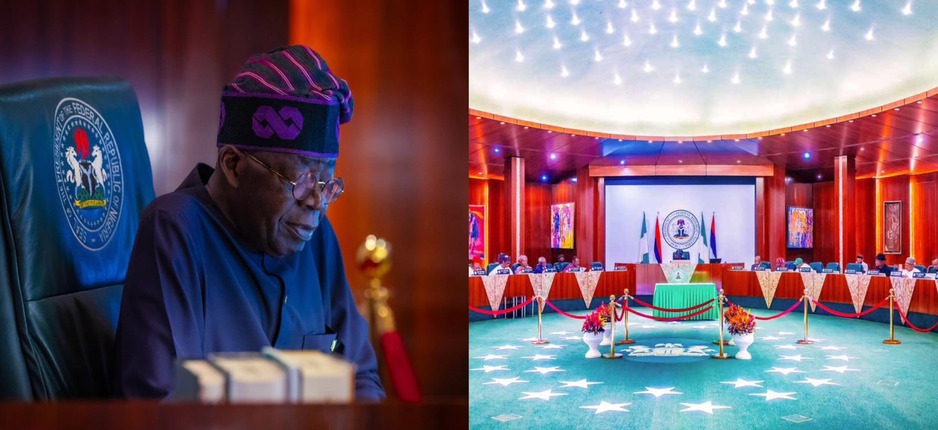
In a surprising turn of events, the National Economic Council (NEC) has called on President Bola Tinubu to withdraw the contentious tax reform bill currently before the National Assembly. This decision, made during a meeting at the Presidential Villa in Abuja on Thursday, underscores the growing unease surrounding the proposed tax changes.
Oyo State Governor Engr. Seyi Makinde revealed the outcome of the meeting, highlighting the necessity for further consultations before advancing the bill. “The NEC recognized the need for sufficient alignment on the proposed reforms and unanimously recommended the withdrawal of the tax reform bill,” he stated. “We identified gaps in the current proposal and decided that wider consultation is essential.”
The tax reform initiative, which had garnered the support of President Tinubu and the Federal Executive Council, was originally pitched as a means to streamline Nigeria’s tax administration processes. Government officials argued that the new laws would enhance efficiency and eliminate redundancies within the nation’s tax operations. This initiative stemmed from a review of existing tax laws that began in August 2023, leading to the introduction of four executive bills aimed at reforming the tax system.
However, the NEC's recommendation comes on the heels of vocal opposition from the Northern Governors’ Forum. Just days before the NEC meeting, the governors of the 19 Northern states expressed their discontent with the proposed derivation-based model for Value-Added Tax (VAT) distribution outlined in the reform bills. In a communiqué delivered by the forum’s chairman, Governor Muhammed Yahaya of Gombe State, they argued that the changes would undermine the interests of the North and other sub-national entities.
This growing discord raises critical questions about the future of the tax reform initiative, which was designed to modernize Nigeria’s tax system in an era of economic challenges. As tensions mount, the NEC’s call for withdrawal signals a need for the federal government to reassess its approach and engage in more inclusive discussions with all stakeholders.
Governor Makinde’s comments reflect a broader sentiment among state leaders who are wary of the implications of sweeping tax reforms that may not adequately consider regional disparities. “Our aim is to ensure that any tax reforms benefit the entire country, not just specific regions,” he emphasized.
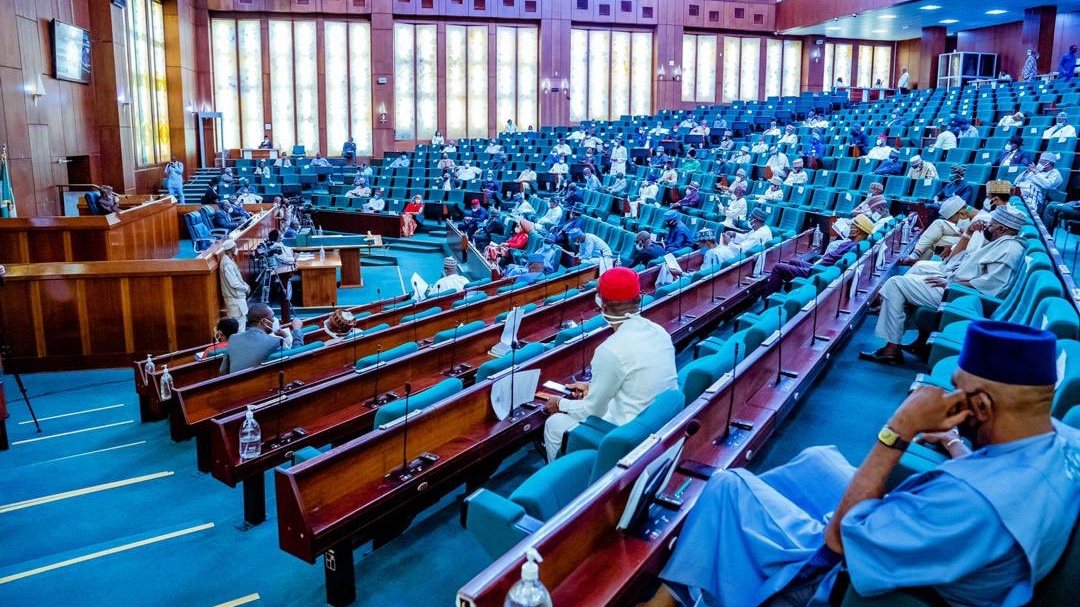
With the National Assembly poised to deliberate on the tax reform bills, the pressure is on the Tinubu administration to navigate the complexities of federal and state interests. As consultations commence, the future of Nigeria’s tax policy remains uncertain, with many hoping for a more balanced approach that addresses the concerns of all states.