


The Central Bank of Nigeria (CBN) has taken decisive action by penalizing nine commercial banks a total of N1.35 billion for failing to ensure adequate cash availability at their ATMs during the festive season.
Among the fined institutions are notable banks such as First Bank, United Bank for Africa (UBA), and Zenith Bank, each penalized N150 million.
The move is part of CBN’s broader commitment to enforcing its cash distribution guidelines and ensuring Nigerians experience seamless access to cash during peak periods. This enforcement effort follows persistent issues with cash shortages, which often disrupt public trust in the banking system.
CBN’s Acting Director of Corporate Communications, Hakima Sidi Ali, emphasized the regulator’s zero-tolerance policy for operational lapses.
“Ensuring seamless cash flow is paramount to maintaining public trust and economic stability,” she stated, adding that similar violations in the future would attract harsher penalties.
In a spot-check operation during the yuletide season, the CBN found widespread non-compliance at several branches, leading to the punitive action. This proactive measure sends a strong message to financial institutions that lapses in service delivery will not be overlooked, particularly during periods when cash demand is high.
The CBN is not acting in isolation. It is collaborating with security agencies to address cash-hoarding practices and illegal sales of Naira notes, both of which contribute to disruptions in the financial system. The central bank has also ramped up monitoring of Point-of-Sale (POS) operators to enforce the daily withdrawal limit of N1.2 million and curb abuses.
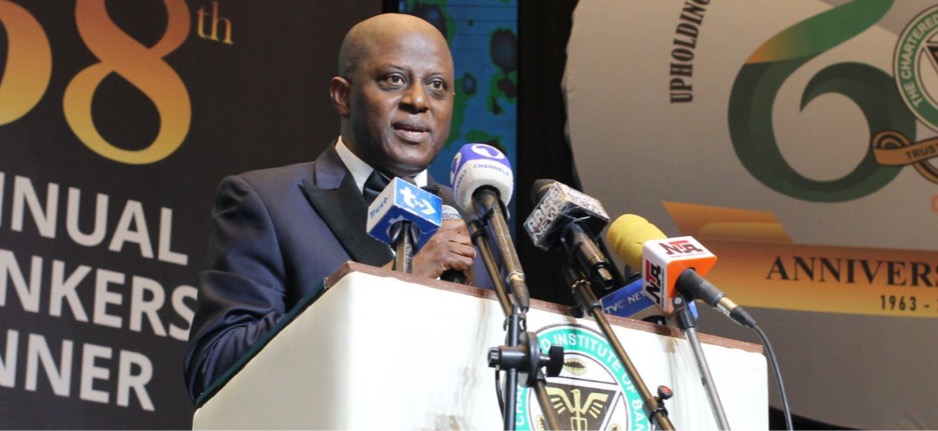
CBN Governor Olayemi Cardoso reinforced this commitment during a recent address at the Annual Banker’s Dinner of the Chartered Institute of Bankers of Nigeria (CIBN).
“Our focus remains on fostering trust, ensuring stability, and guaranteeing seamless cash circulation across the financial system,” Cardoso affirmed.
In addition to cash flow issues, the CBN is addressing misinformation about the validity of old Naira notes. In a statement, the bank reaffirmed that all versions of the N1000, N500, and N200 denominations remain legal tender indefinitely, per a Supreme Court ruling from November 2023.
The CBN clarified that Nigerians should disregard claims that older denominations will cease to be legal tender after December 31, 2024. The apex bank urged the public to accept and handle all Naira banknotes responsibly to extend their durability.
Through these penalties, regulatory oversight, and clear communication, the CBN is taking critical steps to rebuild public trust and stabilize the financial ecosystem. By holding financial institutions accountable and tackling cash flow challenges, the CBN aims to create a resilient and consumer-friendly banking sector.