


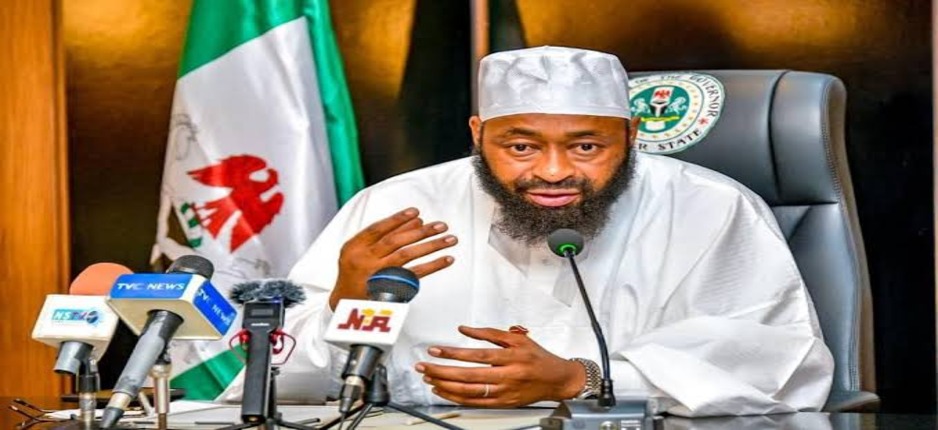
The Niger State Governor, Mohammed Bago, has announced the intention of his administration in implementing a N1m minimum wage for all working civil servants in the state.
The governor made this known on Friday at the State Government House in an extensive meeting with the leadership of the state Nigeria Labour Congress,where he affirmed his desire for a new minimum wage of N80,000 for the state workforce.
In his statement the governor said : “This N80,000 is sustainable. We are sure that with our stride in agriculture, we can pay. We are creating civil service farm so that civil servants can be productive. With that, we are sure that we can do N1 million as minimum wage.”
Governor Bago assured said that the new minimum wage would cut across the state and local government payroll for civil servants, explaining that the state had already made October salary payment.
He clearly stated that the new minimum wage would kick start in November.
The Nigeria Labour Congress chairman in the state, Idrees Lafene, while speaking, expressed excitement about the good development, adding that the governor exceeded their expectations.
Speaking further, the chairman admitted that N80,000 was not enough to cater for the needs of workers in the state looking at the high cost of living across the country.
He stated that the money will not be able to purchase a bag of rice for now.
“It is not commensurate with a bag of rice but at least, it is a step forward,” he said.
The new pay award will not take immediate effect as federal lawmakers must still have to pass a new law to approve it.
Different states across the country have already started implementing the new minimum wage with some states having an increase in the proposed pay.
Since assuming office in Nigeria in May last year, president Tinubu has enacted policies that include doing away with fuel subsidies and unifying the country’s multiple exchange rates, leading to the devaluation of the naira against the dollar.
Reports show that,Gasoline prices have more than doubled and inflation has continued to rise further as a result, reaching 34.1% last month, the highest in nearly three decades.