


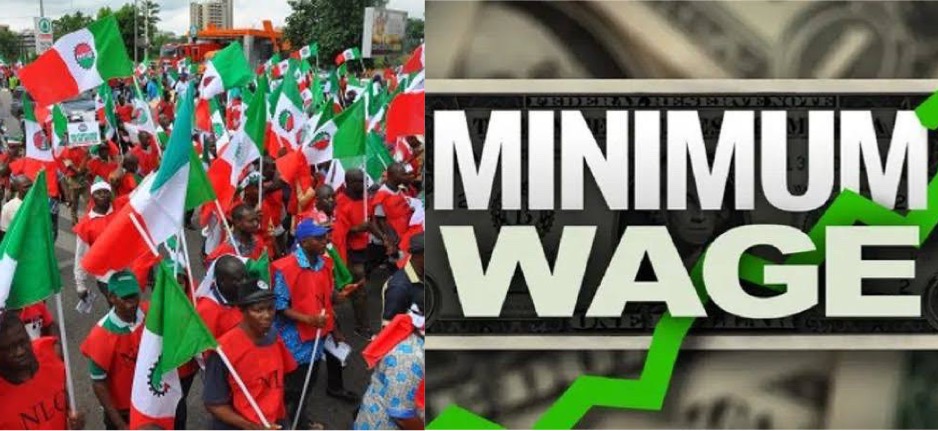
A critical labor standoff is brewing in Nigeria, as workers across the Federal Capital Territory (FCT) and five states, Cross River, Nasarawa, Ebonyi, Kaduna, and Zamfara, prepare for industrial action starting today 2 December, 2024.
The delayed implementation of the new N70,000 minimum wage. With negotiations failing to yield results, the Nigeria Labour Congress (NLC) has officially directed its members to down tools, a move that could bring essential services to a halt across these regions.
Despite efforts by state governments to engage in discussions with labor leaders, a growing number of states appear on the brink of widespread strikes. The FCT NLC has already issued a directive for workers across the six Area Councils to begin an indefinite strike from December 1, demanding that the new minimum wage be implemented without further delay. This follows an earlier national call by the NLC for workers in 14 states and the FCT to prepare for industrial action over the same issue.
In the FCT, the NLC’s call was made after area council chairmen failed to respond to the union's demand for implementation. The NLC’s directive emphasized that despite repeated communications, local governments had not yet moved to enforce the minimum wage mandate as agreed by the federal government.
In Nasarawa State, the situation is similarly tense. The state’s NLC chapter has warned that unless an agreement on the implementation of the N70,000 minimum wage is formalized, workers will join the strike. While there have been discussions, including an informal agreement to pay workers N70,500, no official documentation has been signed to ensure the wage increase is upheld.
Nasarawa State NLC Chairman, Ismaila Okoh, expressed frustration over the delay, noting that while the government has verbally agreed to pay the adjusted amount, the lack of formal contracts meant workers remained uncertain about when the pay increase would take effect. Okoh emphasized that unless the necessary legal documentation is signed by midnight, the state’s workers would comply with the nationwide strike directive.
While some states have been slow to implement the new wage, others like Kaduna appear to have made strides. The state government claims it has begun implementing the new minimum wage, with the lowest-paid workers now earning N72,000 as of November. However, the NLC’s state chapter has dismissed this as insufficient, confirming their intention to strike in line with national directives.
Kaduna’s Chief Press Secretary, Ibraheem Musa, has defended the state’s position, arguing that the government is compliant with the national law by paying the minimum wage. He also pointed to the financial constraints the state faces, highlighting that while the state receives approximately N12 billion in monthly revenue, the wage bill has risen significantly, from N5.4 billion to N6.3 billion. Musa added that with N4 billion of this allocated to loan repayments, the remaining budget is stretched thin, making it unfeasible to accommodate additional pay hikes.
The Kaduna government has called for patience from the NLC, urging them to wait until the state’s financial situation improves before demanding further pay adjustments.
In Ebonyi State, the labor unrest is set to take the form of a one-week warning strike, which is set to begin today. The state’s NLC Chairman, Dr. Oguguo Egwu, voiced disappointment over the lack of progress in implementing the new wage, despite earlier optimism that Ebonyi would be one of the first states to comply. Egwu pointed out that after initial promises, the state government failed to follow through with any formal process of collective bargaining, which has left workers frustrated.
The NLC’s move in Ebonyi reflects the wider dissatisfaction with the absence of clear communication and the failure to engage in genuine negotiations. Workers in the state are now pushing for immediate implementation of the wage, with the threat of further escalation if the situation remains unresolved.
The strike actions in these six states are part of a larger nationwide movement by Nigerian workers seeking the full and prompt implementation of the new N70,000 minimum wage. While some state governments have complied, many others have been slow to implement the wage hike, citing budgetary constraints and the need for additional negotiations over consequential adjustments.
For workers, the battle over the minimum wage is not just about pay; it is about recognition, fair treatment, and a commitment from governments to meet their obligations. As the NLC continues to push for better conditions and wage equity, the coming days could see a sharp escalation in industrial action, which may force governments to prioritize negotiations and seek common ground with labor unions.
With multiple states at the precipice of widespread strikes, the question remains whether the government will take decisive action to avoid further disruption or whether the nationwide protests will mark a new chapter in Nigeria’s ongoing labor disputes.