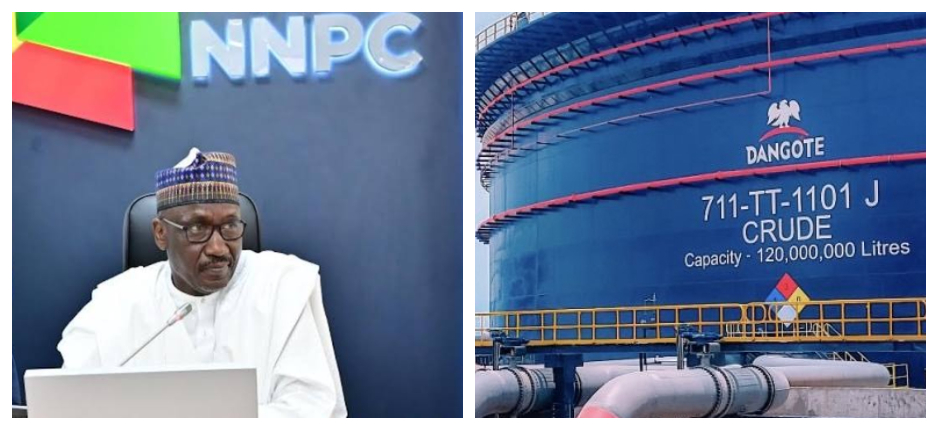



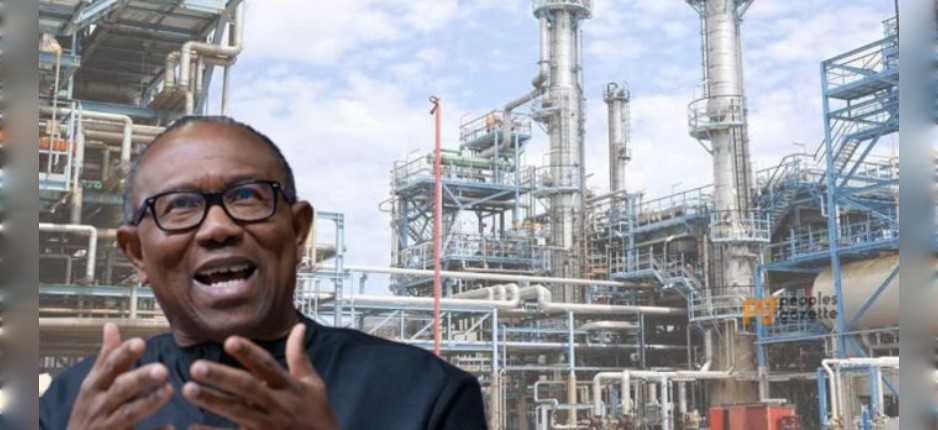
Peter Obi, the former Governor of Anambra State, has endorsed the Nigerian National Petroleum Company Limited (NNPCL) for the successful revitalisation of the Port Harcourt refinery. The refinery that saw its activity return on Tuesday after undergoing rehabilitation and modernisation is hoped to enhance the country's domestic refining capacity by a very high percentage after it commences operations fully.
The refinery, which is located in Alesa Eleme, Port Harcourt has a refining capacity of an designed capacity of 210,000 barrels per day (bpd), and consists of two operable units which were put in operation in the years 1965 and 1989 respectively. This advancement has raised hopes of erasing the dependence of Nigeria on the importation of Premium Motor Spirit (PMS) while at the same time having the potential to relieve the populace of excessive cost burden.
In a statement released on Wednesday, Obi was hopeful about the refineries restart adding that Nigeria's are eagerness to experience the reduction in the pump price of petroleum products.
‘’ The refinery, has been planned to be able to produce 60,000 barrels of crude oil per day. It is expected that about 200 trucks would be loading products from the refinery every day. It is Nigerian’s time to wait and see the similar effect and benefit on pump prices and more broadly the economy,’’ Obi stated.
He also expressed support for the reported plans to rehabilitate the Kaduna refinery, describing the move as a good sign for the country’s energy sector. On the other hand, Obi focused on the necessity of transparency as it comes to the operations of NNPCL so that the country will benefit from enhanced refining of oil products in all the areas of the country.
“Nigerians have a right to ownership and management processes of the oil. Such information should be made available where it can benefit the population,” he emphasized.
The revitalisation of the Port Harcourt refinery could bring significant economic benefits to Nigerians, particularly during these challenging economic times. A functional refinery reduces the need to import refined petroleum products like Premium Motor Spirit (PMS). This could lead to a decrease in the pump price of petrol, easing the financial burden on individuals and businesses. Lower transportation and production costs would, in turn, bring down the prices of goods and services, offering relief to consumers already grappling with high inflation.