


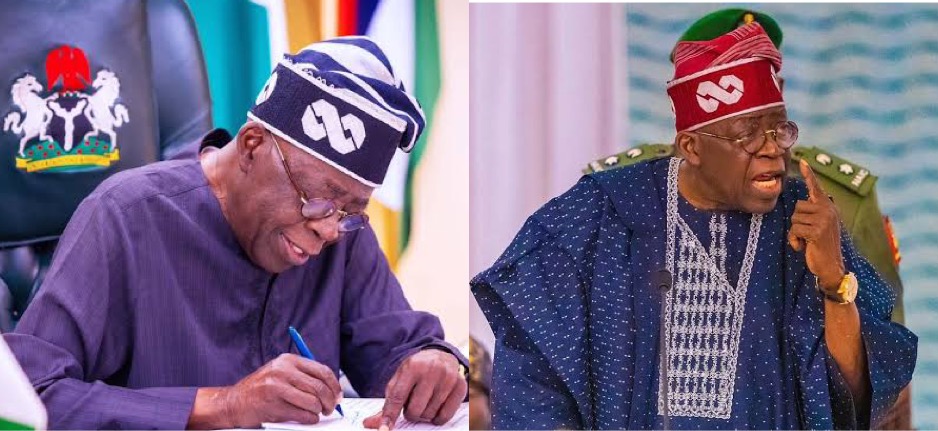
In a bold move that has sent shockwaves through Nigeria’s economic landscape, President Bola Ahmed Tinubu’s administration is proposing a dramatic increase in the Personal Income Tax (PIT) for high earners, set to rise to a staggering 25% in 2025. This announcement was made by Taiwo Oyedele, Chairman of the Presidential Committee on Fiscal Policy and Tax Reforms, during the recent Nigeria Economic Summit held on October 14, 2024.
Under the proposed Economic Stabilization Bill, currently making its way through the National Assembly, Nigerians earning above N1.5 million annually will face a significant tax increase. Oyedele revealed that a mere 17% of Nigerians and only 30% of businesses currently pay taxes, a gap attributed to widespread distrust in government. He emphasized the urgent need to address this 70-75% tax gap, stating, “Many people don’t like to pay taxes, but they often fail to realize that those taxes will eventually benefit them.”
The reform is part of a larger strategy aimed at revitalizing Nigeria’s economy while ensuring that the burden of taxation is distributed fairly. Oyedele assured the audience that the government is committed to easing the financial strain on businesses. “For instance, any VAT paid on assets, whether for factory construction or purchasing equipment, will now be entirely borne by the business,” he explained. “However, with our reforms, you will receive a 100% credit on services and assets, and the corporate income tax rate will decrease from 30% to 25%.”
This shift is particularly notable for high earners. Oyedele pointed out that individuals earning as much as 100 million naira a month are often paying far less than the current effective rate of 19%. With the proposed increase, those with the highest incomes will contribute significantly more to the nation’s revenue.
The economic implications of this tax reform extend beyond wealthy individuals. Oyedele highlighted that around 80% of the Consumer Price Index (CPI) is comprised of essential needs—food, healthcare, education, housing, and transportation—with households averaging 32% of their income on these necessities. For lower-income families, this figure can approach a staggering 100%. To mitigate this burden, the government plans to eliminate VAT on essential items and refund any VAT incurred during their production.
“Taxation is not merely a financial obligation; it is a means to enhance the lives and livelihoods of our people,” Oyedele stated, emphasizing the need for a holistic approach to tax reform. He acknowledged the complexity of Nigeria’s tax system, which features around 60 official taxes and over 200 unofficial ones, including taxes on deceased individuals.
In a bid to streamline processes and improve tax collection, Oyedele warned against viewing taxation in isolation, calling for a comprehensive overhaul. “The solution isn’t simply to distribute food or cash. We must harmonize our tax collection processes and fix the policies that negatively impact our citizens,” he asserted.
This sweeping reform comes on the heels of the recent approval of the Economic Stabilization Bills by the Federal Executive Council, which aims to address various tax, fiscal, and establishment laws in Nigeria. As the government braces for these significant changes, all eyes will be on how these policies unfold in the coming months and their potential impact on Nigeria’s economic future.