
Flooding: NITP Blames Non-Adherence to Town Planning

Published

Tuesday, October 22, 2024 at 12:56 PM

Written by Brenda Izu
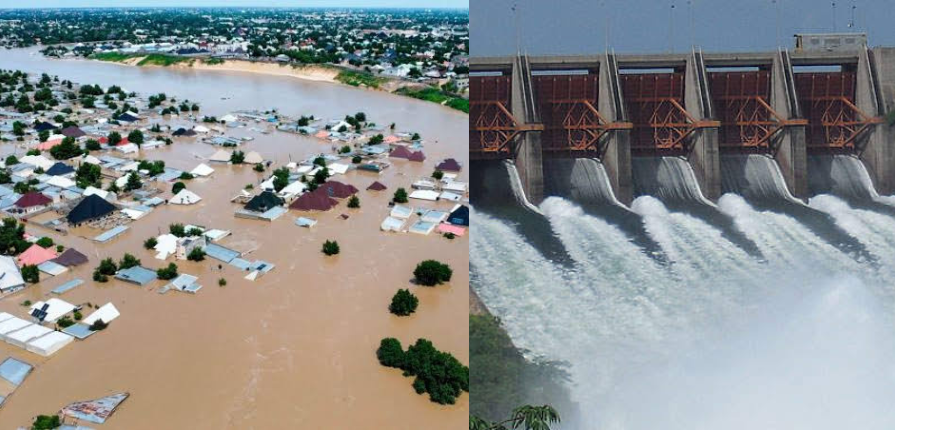
Flooding: NITP Blames Non-Adherence to Town Planning

The Nigerian Institute of Town Planners (NITP) has attributed the rising flood disasters in Nigeria to environmental fraud and the widespread disregard for town planning procedures.


This was disclosed by NITP President, Nathaniel Atebije, during a media briefing on Monday, as part of the ongoing activities marking the 55th National Conference and Annual General Meeting of the Institute.


Atebije stressed the urgent need for improved planning and behavioral changes to foster growth and development across Nigeria.


He pointed to the recent floods in Maiduguri, Borno State, and other affected regions as stark evidence of the consequences of environmental neglect. With millions displaced and 34 out of the 36 states affected, the gravity of the situation cannot be overstated.


According to Atebije, these disasters could have been mitigated with better compliance monitoring and stricter enforcement of environmental regulations.


The NITP president emphasized that Nigeria requires stronger environmental policies and enforcement mechanisms to address these challenges effectively.


He explained that the National Environmental Standards and Regulations Enforcement Agency (NESREA) Act empowers both state and local governments to establish agencies and enact laws that protect the environment.

He added that by prioritizing sustainable development and ensuring accountability, Nigeria can minimize the risks of future flood disasters, leading to a safer and more prosperous future for its citizens.


Atebije further highlighted the issue of "environmental fraud," which he described as the illegal manipulation or misrepresentation of environmental data to bypass regulatory compliance for financial gain.


He buttressed that the fraudulent activity often includes falsifying environmental impact assessments, concealing pollution, and engaging in illegal waste disposal, all of which harm ecosystems and public health. Such acts, he said , are perpetrated not only by individuals and corporations but also by government agencies that fail to adhere to environmental standards.


He also noted that the lack of proper physical planning and unchecked urbanization are critical forms of environmental fraud in Nigeria. Developers often bypass environmental laws through corrupt practices, leading to poorly planned urban expansion and reckless development in flood-prone areas.


While citing corruption and the failure to enforce zoning laws as contributing factors, Atebije added the construction of illegal structures on floodplains and near riverbanks as a bane.


Atebije called on the government to take credible steps to prevent further flooding by engaging indigenous consultants, enforcing development plans, and employing town planners. He also stressed the need for the relocation of communities in high-risk flood zones and the implementation of sustainable land-use practices, such as afforestation, to reduce water runoff.


He warned that while floods may be viewed as natural disasters, environmental fraud exacerbates their impact, creating long-term vulnerabilities for short-term gains.

Edited By: Chinedu Eze

The journey to greatness is one step at a time and you should be part of it.

Join the NDconnect community channels on WhatsApp and Telegram to get News updates and add to the voices shaping the future : ❤️

WhatsApp Channel: https://whatsapp.com/channel/0029VajWDeK29754T7BzHU2H

WhatsApp Community: https://chat.whatsapp.com/Dlm6LmlgmzaKCMUYP4BPwC

Telegram t.me/NDConnectNewsAlert