


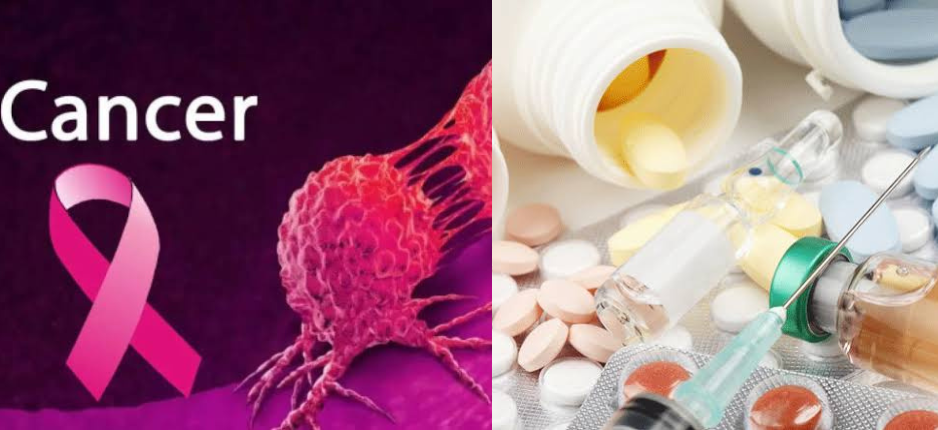
Cancer remains one of the most fearsome challenges in healthcare, affecting millions of lives annually. Despite decades of research and advancements in medical science, cancer continues to pose a significant threat due to its complexity and variability.
However, personalized medicine is transforming the landscape of cancer treatment by tailoring therapies to the unique genetic makeup of individuals.
As Stated by World Health Organisation, Cancer is not a single disease but a group of diseases characterized by the uncontrolled growth and spread of abnormal cells. These cells often form tumors, which can invade surrounding tissues and, in many cases, metastasize to distant parts of the body through the bloodstream or lymphatic system. If left untreated, cancer can cause severe health complications and ultimately be fatal.
According to American Cancer Society, Cancer arises when genetic mutations disrupt the normal mechanisms controlling cell growth and division. These mutations may be inherited, triggered by environmental factors, or occur spontaneously. Common risk factors include tobacco use, obesity, poor diet, exposure to carcinogens, and chronic infections.
The classification and type of cancer depends on the affected organ, tissue type, or specific cell characteristics. some of the most prevalent types according to reports are Carcinoma and it is the most common type, arising in epithelial cells that line organs and tissues. Examples include lung, breast, prostate, and colon cancers.
Another type is the Sarcoma Originating in connective tissues such as bones, muscles, cartilage, and fat.
Others are Leukemia a cancer of the blood-forming tissues, characterized by abnormal production of white blood cells and Lymphoma/ Myeloma which affect the lymphatic system, including the lymph nodes and bone marrow.
Similarly, Brain and Spinal Cord Cancers Include gliomas and other tumors affecting the central nervous system.Each type of cancer behaves differently and requires specific approaches to diagnosis, treatment, and management.
The Role of Personalized Medicine in Cancer Treatment
A recent Advancements in genetics and biotechnology have paved the way for personalized medicine, which focuses on customizing treatments to match an individual’s unique biological and genetic profile. This innovative approach according to medical reports is a "one-size-fits-all" treatments, which may not be effective for everyone.
Meanwhile, Dr Abisoye, Oyeyemi, Coordinator, Coalition Against Cancer in Bayelsa State (CACIBS) noted that Personalised Medicine is also practised in Nigeria stressing that it varies from one place to another depending on the level of sophistication and the facilities available. "For example not all breast cancer is the same. You can have two, three.,,breast cancer patients but their case responds differently and that is why as much as possible Histochemistry is done. That one helps to further typify the kind of cancer that we are dealing with''. Abisoye said.
He also added that while some patients will respond well to chemotherapy, others respond better to hormonal therapy. ''So it's all about knowing the unique personalities that people are and then to make sure that treatment is targeted at their uniqueness. Then extending it further, beyond the person's biology and that's why we say that there are other factors and quite a number of other things that are considered in managing patients with cancer.''
Their social economic circumstances, cultural beliefs etc. All these things need to be brought to bear in managing a cancer patient. That's basically what it's [personalised care] all about. Just make sure that one size does not fit all. You have to look at the person in front of you and consider everything that is necessary to make sure that you have the best outcome for that patient's treatment.''
Meanwhile, Abisoye stated that rating the success of personalised Medicine has been restrained by the lack of appropriate diagnostics and facilities for proper management adding that cancer patients are usually sent out of the state to do some investigations for treatment options that are not available within Bayelsa.
How Personalized Medicine Works
At its core, personalized medicine as Stated by National Cancer Institute involves identifying genetic mutations or molecular markers that drive cancer growth in a patient. Armed with this information, doctors can Develop Targeted Therapies which dipicts that Drugs can be designed to inhibit specific molecules or pathways essential for cancer cell survival. For example, therapies targeting HER2 are effective in certain types of breast cancer.
Also Personalised Medicine helps Improve Treatment Accuracy as genetic profiling helps doctors predict how a patient will respond to a particular treatment, reducing unnecessary side effects and improving outcomes. It in addition enables early Detection. Individuals with higher genetic risk for cancer are identified allowing for earlier intervention and preventive measures.
A recent study on personalized medicine’s success is in the treatment of non-small cell lung cancer (NSCLC). Patients with mutations in the Epidermal Growth Factor Receptor ( EGFR)gene benefit significantly from drugs like gefitinib and erlotinib, which specifically target this mutation. Similarly, immunotherapies like pembrolizumab (Keytruda) have shown remarkable results in cancers with high levels of PD-L1 expression.
World Cancer Day: A History of Advocacy
World Cancer Day usually observed annually on February 4th, was established in 2000 during the World Summit Against Cancer for the New Millennium in Paris. Organized by the Union for International Cancer Control (UICC), this global initiative aims to reduce cancer-related stigma, raise awareness, and mobilize communities to take action.
The theme for World Cancer Day 2025, "United by Unique," emphasizes a people-centered approach to cancer care.
This is the first year of UICC’s campaign focusing on individuals and communities as the heart of cancer care. By acknowledging that every cancer journey is unique, the campaign encourages equitable access to innovative treatments and support systems.
Last year, the day saw 900 events across 127 countries, with 138 iconic landmarks illuminated in support of the cause. The hashtag #WorldCancerDay trended globally on social media, with over 500,000 posts and 27,000 press mentions in 159 countries.
This year, the UICC amplified these efforts, and called for global solidarity and collaboration in building resilient healthcare systems that leave no one behind.
Raising awareness about cancer is a critical component of reducing its global burden. Many cancers are preventable, and early detection significantly improves treatment success rates. However, myths, stigma, and misinformation often hinder awareness efforts.
Cancer experts and advocates have developed key Cancer Awareness goals as part of their efforts to reduce the mortality rate. These goals include; Promote Education and Inform communities about cancer risks, symptoms, and the importance of screenings, Encourage Healthy Lifestyles such as advocating for tobacco-free environments, regular exercise, and balanced nutrition.
The Ministry of Health, led by Dr. Toboulayefa Stella Awudu, Desk Officer for Non-communicable Diseases, in collaboration with CACIBS successfully conducted a comprehensive health sensitization and screening programme in Bayelsa State.
According to Dr. Toboulayefa ,the series of events began on January 28th and ended on the 4th of February with sensitization sessions in 4 secondary schools, 2 major markets, a mosque, and churches. The sessions were targeted at educating the public about the importance of health awareness and the prevention of Cancer.
As part of the program, free health screenings were provided, including cervical cancer screening, breast examination, eye screening, and dispensing of glasses for individuals 40 years and older.
Additionally, health talks were broadcast on local radio stations, including Bayelsa Radio, Golden FM, and Peoples FM.
A road walk was also organized to raise awareness about non-communicable diseases, and free health screenings were conducted at the Bayelsa Specialist Hospital. These screenings included cervical cancer screening, breast examination, blood pressure checks, and blood sugar checks.
The goals of the series of events were to reduce Stigma, Foster open conversations to break the silence surrounding cancer diagnoses as well as advocate for Equity by Ensure that marginalized communities have access to affordable and quality cancer care.
Meanwhile, Union for International Cancer Control in 2024 in their report noted that Preventing cancer involves a combination of individual, community, and systemic efforts and initiated some effective strategies Including Healthy Lifestyle Choices; Avoiding smoking, limiting alcohol consumption, maintaining a healthy diet, and exercising regularly are fundamental.
They also advocated getting vaccinated with Vaccines like the HPV vaccine which protect against cervical and other cancers linked to the human papillomavirus. Similarly, the Hepatitis B vaccine reduces the risk of liver cancer.
In addition, Environmental Protection which is targeted towards reducing exposure to carcinogens such as asbestos, air pollution, and ultraviolet radiation can lower cancer risks is paramount. Similarly, Center for disease control and prevention noted that Screening Programmes like Early detection through mammograms, colonoscopies, and Pap smears increases the chances of successful treatment.
World Cancer Day 2025 is an opportunity for individuals, organizations, and governments to unite in celebrating the uniqueness of every cancer journey. By prioritizing people-centered care, everyone can ensure that no one faces cancer alone. Personalized medicine embodies this vision by tailoring treatment to each individual, maximizing success rates and improving quality of life.